Fourteen signed California laws that most drivers and car owners will notice begin on January 1, 2027. They are our selection, not every vehicle bill that starts that day. We read each one as a chaptered bill on the Legislature's website on November 10, 2026. The changes most drivers will notice are a five-step seat belt fit test, heavier penalties for hit-and-run, repeat DUI and sideshows, new e-bike and moped rules, and new paperwork rules when a windshield is replaced or a repair is estimated.
The DMV and the CHP usually publish their own "new laws" lists in late December. Neither had published one for 2027 when we checked on November 10, 2026 (DMV news, CHP news). So this page works from the bills themselves, and it names what is not law as well as what is.
This is a plain-English summary for drivers in Rohnert Park and the rest of Sonoma County. It is not legal advice. Each law links to its official text. Read the bill, or talk to an attorney, before you rely on any detail.
2027 at a glance
- Seat belts: "properly restrained" now means passing a 5-Step fit test (AB 435).
- Hit-and-run and DUI: heavier penalties for drivers with prior convictions in the last 10 years (SB 907, AB 1546).
- Sideshows: a wider definition and stiffer penalties (AB 1588).
- E-bikes and mopeds: tighter rules on what can be sold as an e-bike, and a 10 mph sidewalk speed limit (SB 1167, AB 2346).
- Windshields: glass shops must tell you about driver-assistance calibration, in writing (SB 988).
- Repair estimates: a shop's written estimate can be electronic (SB 1445).
- Not yet: the classic-car smog exemption starts in 2028, and two of the DUI laws start in 2031.
Verified against the chaptered bills on November 10, 2026. The DMV and CHP had not published their 2027 new-laws releases on that date.
Starting the year with a repair to sort out?
You get a written estimate before any work begins. We are open Mon–Thu 7:30 AM – 5:00 PM and Fri 7:00 AM – 3:00 PM at 305 Laguna Dr, Rohnert Park.
See what our auto repair service in Rohnert Park covers.
14 Laws That Start January 1, 2027
These are the 14 we picked because they change what a driver or car owner does. Other signed vehicle bills also start January 1, 2027 and are left out here, for example SB 1218 (letting peace officers and code enforcement staff boot a vehicle whose owner has delinquent illegal dumping notices), AB 2541 (a new Lowrider specialty license plate) and AB 2734 (where some special license plate fees go). Every bill in this table is signed and chaptered. Twelve were signed in 2026. One, AB 435, was signed in 2025 with a start date of January 1, 2027 written into it, and one, AB 3138, was signed in 2024 with the same date written in.
| Bill | What changes | Starts |
|---|---|---|
| AB 435 Ch. 434, 2025 | Seat belt fit is judged by a 5-Step test | Jan 1, 2027 |
| SB 907 Ch. 443, 2026 | Hit-and-run penalties rise for drivers with certain priors; DUI warning given on plea deals | Jan 1, 2027 |
| AB 1546 Ch. 444, 2026 | Repeat DUI can be charged as a felony sooner | Jan 1, 2027 |
| AB 1588 Ch. 366, 2026 | Sideshow definition widened, penalties raised | Jan 1, 2027 |
| SB 1167 Ch. 846, 2026 | What can be sold or labeled as an e-bike; mopeds and motor-driven cycles redefined | Jan 1, 2027 |
| AB 2346 Ch. 842, 2026 | 10 mph sidewalk speed limit; local speed limits on bike paths and trails | Jan 1, 2027 (equipment rules: 2029) |
| AB 1614 Ch. 40, 2026 | Bicycle seat and passenger rules extend to Class I bikeways | Jan 1, 2027 |
| SB 988 Ch. 666, 2026 | Windshield shops: calibration notice, itemized invoice, insurance claim rules | Jan 1, 2027 |
| SB 1445 Ch. 237, 2026 | A repair shop's written estimate may be electronic | Jan 1, 2027 |
| AB 2437 Ch. 942, 2026 | Impound yards must take debit cards; limits on ownership paperwork | Jan 1, 2027 |
| AB 2361 Ch. 601, 2026 | Liability rules for car-sharing programs change | Jan 1, 2027 |
| AB 1837 Ch. 900, 2026 | Camera tickets for blocking bus lanes and stops allowed until 2034 | Jan 1, 2027 |
| AB 2761 Ch. 964, 2026 | Electronic copy of a crash report at no cost | Jan 1, 2027 |
| AB 3138 Ch. 756, 2024 | Digital license plates with location technology open to any vehicle | Jan 1, 2027 |
Why January 1? Two of these bills name the date in their own text (AB 435 and AB 3138), and SB 988 names it for insurance contracts. The rest carry no urgency clause, so the California Constitution sets the date: a statute passed in a regular session takes effect "on January 1 next following a 90-day period from the date of enactment" (Article IV, section 8). The Bureau of Automotive Repair gives the same date for 2026 bills in its October 2026 update.
On the Road: Seat Belts, DUI, Hit-and-Run and Sideshows
AB 435: the 5-Step seat belt test
From January 1, 2027, being "properly restrained by a safety belt" means meeting all five parts of what the law calls the 5-Step test (AB 435, Chapter 434, Statutes of 2025):
- The person is sitting all the way back against the auto seat.
- The knees bend over the edge of the auto seat.
- The shoulder belt snugly crosses the center of the chest and shoulder, not the neck.
- The lap belt is as low as possible and is touching the thighs.
- The person can stay seated like this for the whole trip.
The bill writes this test into the child passenger sections of the Vehicle Code, and into the section that requires drivers and passengers 16 and over to be properly restrained. For parents, the practical point is that the test is about fit, not age. A child who has left the booster but whose knees do not reach the seat edge, or whose shoulder belt rides on the neck, does not meet the test.
SB 907: hit-and-run with a prior, and a DUI warning on plea deals
SB 907 was signed on September 25, 2026 (Chapter 443, Statutes of 2026). It does two things:
- Leaving the scene of a crash that injures someone can be charged as a misdemeanor or a felony, and the felony penalty for a crash causing death or serious injury is increased, when the hit-and-run happened within 10 years of a separate DUI, reckless driving or gross vehicular manslaughter violation.
- Courts already warn people convicted of DUI that a future DUI death can be charged as murder. That warning must now also be given when a person pleads to a different or lesser offense.
AB 1546: repeat DUI
AB 1546 was signed the same day (Chapter 444, Statutes of 2026). According to the Legislative Counsel's digest:
- A DUI within 10 years of two separate DUI violations that ended in convictions can now be punished as a misdemeanor or as a felony. Before, it was county jail of 120 days to one year and a fine.
- A DUI within 10 years of three such violations can be punished as a misdemeanor or as a felony.
- A DUI within 10 years of four or more such violations is a felony.
AB 1588: sideshows
AB 1588, the Sideshow Accountability and Community Safety Act, was signed on September 20, 2026 (Chapter 366, Statutes of 2026). It widens the definition of a sideshow to include using any motor vehicle, including motorcycles and off-highway vehicles, to barricade, block, impede or otherwise obstruct traffic. It also raises the penalties for an exhibition of speed that is part of a sideshow: higher fines, a mandatory minimum jail sentence, and a misdemeanor or felony charge when the offense injures another person.
E-Bikes, Mopeds and Sidewalks
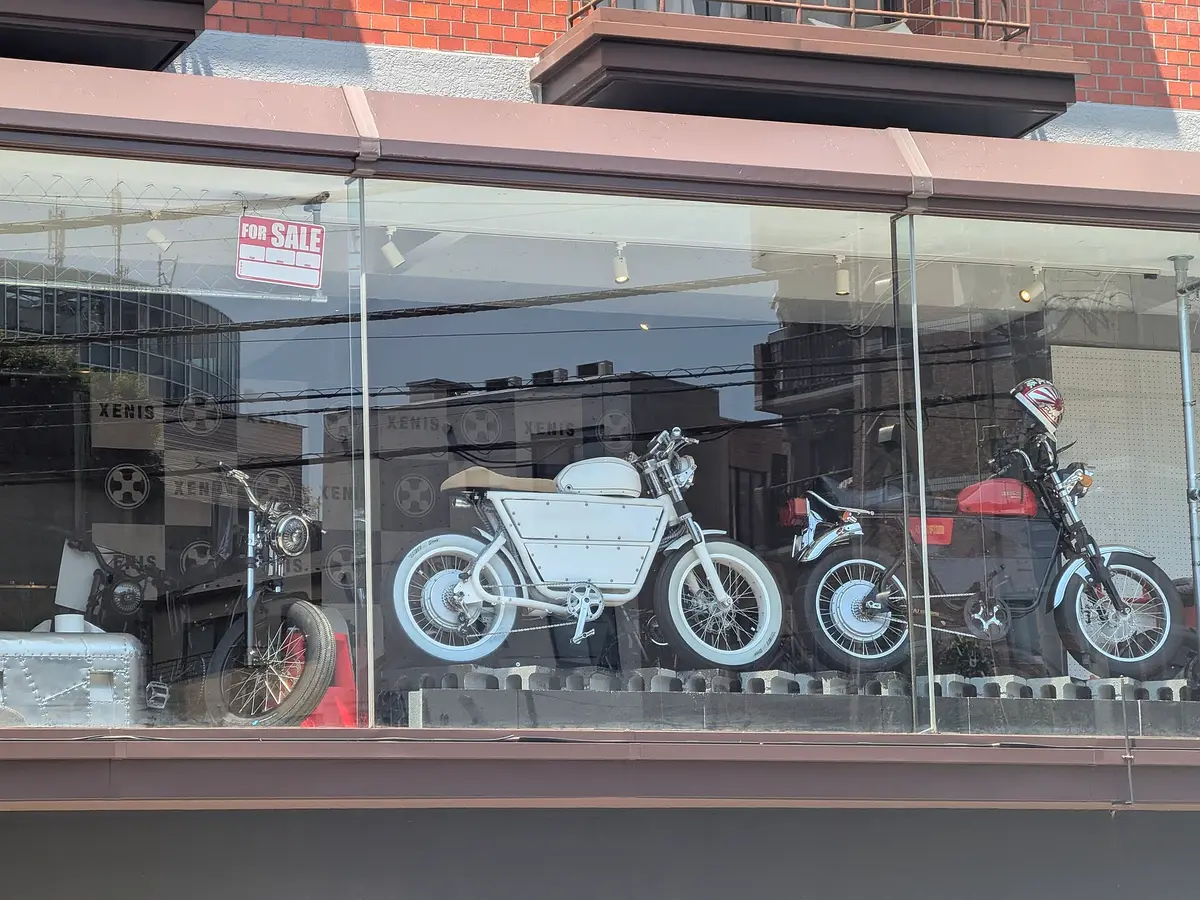
Three bills change the rules for electric two-wheelers. They matter to drivers too, because they decide what your teenager's holiday present legally is.
SB 1167: what can be called an e-bike
SB 1167 was signed on September 30, 2026 (Chapter 846, Statutes of 2026). The main points in its digest:
- Motor-driven cycles and mopeds are added to the vehicles that may not be advertised, sold or labeled as electric bicycles.
- A motor-driven cycle now includes an electric machine producing 5 gross brake horsepower (3,750 watts) or less that is built for highway use, with a 17-digit vehicle identification number and a safety certification label.
- A moped is a two- or three-wheeled device with a motor under 4 gross brake horsepower (3,000 watts) and a top speed of no more than 30 miles per hour on level ground. Pedals are optional.
- An e-bike's permanent label must now also show the brand name and the manufacturer, importer or distributor, along with its class, top assisted speed and motor wattage.
- A two- or three-wheeled electric device that can go faster than 20 miles per hour on motor power alone may not be ridden on a highway or public right-of-way unless the Vehicle Code defines and authorizes that kind of device. A peace officer may remove one that does not qualify.
Buying one this season? Read the label before you pay. If the machine does not meet the e-bike definition, California treats it as a moped or a motor-driven cycle, not a bicycle.
AB 2346: a 10 mph sidewalk limit and local trail speed limits
AB 2346 was signed on September 30, 2026 (Chapter 842, Statutes of 2026). It sets a prima facie speed limit of 10 miles per hour on a sidewalk. A conviction for breaking that limit does not put a point on a driving record. It also lets a local authority post a speed limit of 10, 15 or 20 miles per hour on a bicycle path or multiuse trail, with signs. Limits posted before January 1, 2027 stay in effect.
Sellers must also disclose an e-bike's class and top speed at or before the sale. The bill's equipment rules come later: speedometers on class 2 e-bikes, and front and rear lamps on all e-bikes, apply to those made or sold on or after January 1, 2029.
AB 1614: bicycle seats on Class I bikeways
AB 1614 was signed on June 30, 2026 (Chapter 40, Statutes of 2026). The rule that a rider sits on a permanent, regular seat, and that a passenger has a separate seat, already applied on highways. It now applies on Class I bikeways as well. Electric bicycles are covered.
Your Car, Your Shop and Your Insurance
SB 988: windshield work and driver-assistance calibration
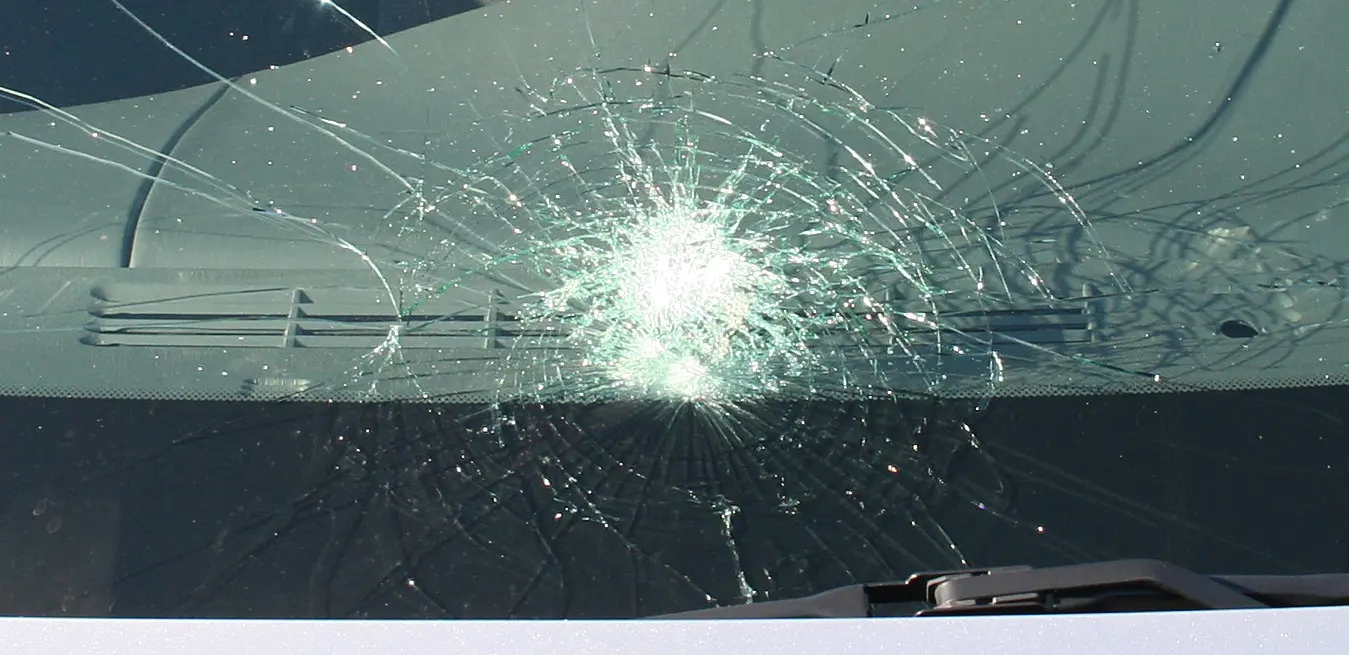
SB 988, the California Motor Vehicle Glass Act, was signed on September 27, 2026 (Chapter 666, Statutes of 2026). Cameras and sensors for lane-keeping and automatic braking often sit behind the windshield, so the law attaches duties to the glass job:
- Before the work, the glass shop must tell you whether your vehicle has an advanced driver assistance system, and if so, whether calibration or recalibration is needed afterward, as the vehicle manufacturer recommends.
- The shop must tell you in writing whether the calibration was successful.
- You get an itemized invoice and receipt when the job is done.
- If insurance is paying, the shop may not contract with you until you have made the claim and the shop has a claim or referral number. It must give you a good faith estimate of what it expects to charge you.
- A shop may not offer a rebate, gift card, cash or anything else of value in exchange for making a glass claim.
- You cannot be required to use a particular glass shop or calibration facility to receive your claim payment.
- You may not sign over your policy rights or benefits for windshield and calibration work to someone else. A contract that does so, entered into on or after January 1, 2027, is void.
The Bureau of Automotive Repair lists SB 988 among the 2026 laws that affect its licensees (BAR, Fall 2026).
SB 1445: your written estimate can be electronic
California already requires an auto repair shop to give you a written estimated price for labor and parts, and to get your authorization before work begins. SB 1445, signed on September 14, 2026, adds one sentence to that rule: the written estimate may be in an electronic format (Chapter 237, Statutes of 2026). The Bureau of Automotive Repair describes it as an estimate sent by email or text, and says the change is consistent with its current regulations (BAR, Fall 2026, October 2026 update).
Nothing else about the estimate changes. No work is to be done and no charges accrue before you authorize it. Our auto repair page says the same about our shop: a written estimate before any work begins.
AB 2437: getting a car out of impound
AB 2437 was signed on September 30, 2026 (Chapter 942, Statutes of 2026). A storage yard holding an impounded vehicle must accept a valid bank debit card, as well as a credit card or cash, for towing and storage fees. Asking for proof-of-ownership documents beyond the ones the law lists now counts as refusing to release the vehicle.
AB 2361: renting your car out through a sharing app
AB 2361 was signed on September 27, 2026 (Chapter 601, Statutes of 2026). Under the old rule, a personal vehicle sharing program took on all of the owner's liability while someone else had the car. Under the new one, the program takes on the owner's liability to injured third parties in the amounts stated in its agreement, with minimums set in the bill. That protection does not apply to an owner who acts in concert with a renter who fails to return the car. If you list a vehicle on a sharing platform, ask your insurance agent what this changes for you.
AB 2761: a free electronic copy of a crash report
AB 2761 was signed on September 30, 2026 (Chapter 964, Statutes of 2026). The Vehicle Code will say that an electronic copy of a crash investigation report "shall be provided at no cost to the requester." The bill also moves police crash reporting to electronic submission, with CHP standards due by January 1, 2030.
AB 3138: digital plates with location technology
AB 3138 was signed back on September 27, 2024 (Chapter 756, Statutes of 2024), with a 2027 start. Beginning January 1, 2027, any vehicle may be offered an alternative to a license plate or registration card that includes vehicle location technology. The bill sets rules for how that technology is switched off and on, and bars the device from recording or transmitting personal identifiable information. Metal plates stay. This widens a choice; it does not require anything of you.
What This Means on Sonoma County Roads
A statewide law lands differently in each county. Here is where these touch daily driving in Rohnert Park, Cotati, Petaluma and Santa Rosa.
- Bus lanes and bus stops. AB 1837 keeps alive, until January 1, 2034, the authority for any public transit operator in the state to ticket by camera for parking in transit-only lanes and at transit stops (Chapter 900, Statutes of 2026). That authority would otherwise have ended on January 1, 2027. The law allows this; it does not require an operator to do it. Sonoma County Transit runs routes through Cotati and Rohnert Park (Sonoma County Transit). An operator that starts enforcing a kind of violation by camera must issue warnings for the first 60 days.
- Speed cameras. No Sonoma County city is in the state's speed camera pilot. The cities named in the law are Los Angeles, San Jose, Oakland, Glendale, Long Beach and San Francisco, until January 1, 2032. The only 2026 change adds two cameras on Pacific Coast Highway in Long Beach (SB 1279, Chapter 689). If you commute to San Francisco or Oakland, those are pilot cities.
- Paved trails. The Joe Rodota Trail is an 8.5-mile paved, off-road trail linking downtown Santa Rosa and Sebastopol (Sonoma County Regional Parks). Under AB 2346, the agency in charge of a path like it may post a 10, 15 or 20 mph limit. Watch for signs.
- Sidewalks. The 10 mph sidewalk limit in AB 2346 is statewide. It applies in front of every school and shop in the county.
- Classic cars. The collector-car smog exemption does not start in 2027. See the next section before you skip a smog check.
Signed, but Not Starting in 2027
Some of the most talked-about bills of 2026 are law, but their rules begin later. Do not act on these yet.
| Bill | What it does | Starts |
|---|---|---|
| SB 1392 Ch. 245, 2026 | Smog check exemption for collector cars, by model year | Jan 1, 2028, phased to 2033 |
| SB 1246 Ch. 1021, 2026 | Autonomous vehicle rules for manufacturers and remote drivers | July 1, 2028 |
| AB 2346 Ch. 842, 2026 | Speedometers on class 2 e-bikes; front and rear lamps on all new e-bikes | Jan 1, 2029 |
| AB 1685 Ch. 445, 2026 | License points for gross vehicular manslaughter while intoxicated | Jan 1, 2031 |
| AB 1687 Ch. 446, 2026 | Driver's license revocation rules (the bill is titled Driver's licenses: revocation) | Jan 1, 2031 |
SB 1392, the classic-car smog exemption
SB 1392 was signed on September 16, 2026 (Chapter 245, Statutes of 2026). Beginning January 1, 2028, it exempts qualifying collector motor vehicles made before the 1981 model year from the smog check. The cutoff moves forward one model year each January 1, ending on January 1, 2033 with vehicles made before the 1986 model year.
- To qualify, a car must be insured as a collector motor vehicle or, beginning January 1, 2030, be driven fewer than 1,000 miles per calendar year (BAR, October 2026).
- It must be used primarily in shows, parades, charitable functions and historical exhibitions, and not as a primary mode of transportation (BAR, October 2026).
- The Bureau of Automotive Repair and the DMV still have to write the process in regulation (BAR, Fall 2026).
- Model year 1975 and older vehicles are already completely exempt (BAR, October 2026).
So a 1976 through 1985 car that is due for a smog check in 2027 still needs one. If it fails, our failed smog check repair page covers what happens next, and our classic car repair page covers older vehicles.
Not Law: Vetoed, Stalled or Still Pending
These were in the news in 2026. None of them is law on January 1, 2027.
- AB 2502 (DUI and driving automation): vetoed by the Governor on September 27, 2026 (bill history).
- SB 1029 (vehicle lien sale proceeds): vetoed on September 30, 2026 (bill history).
- SB 1064 (heavy-duty vehicle inspection and maintenance testing): vetoed on September 20, 2026 (bill history).
- AB 2276 (active intelligent speed assistance devices): held in committee on May 14, 2026 (bill history).
- SB 1112 (towing companies and storage facilities): held in committee on August 13, 2026 (bill history).
- AB 1830 (ignition interlock devices): not chaptered. Its last recorded action was on August 19, 2026 (bill history).
- Two Bureau of Automotive Repair regulations, on storage fees charged by repair shops and on airbag safety, are still pending. The Bureau says they "are expected to be adopted and take effect on January 1, 2027" (BAR, Fall 2026). Expected is not adopted. We will update this page when they are final.
What We Will Re-Check in December
- The DMV's 2027 new-laws release. Last year's was dated December 26, 2025 (DMV Highlights New Laws in 2026).
- The CHP's 2027 release on its news page.
- Whether the two pending Bureau of Automotive Repair regulations were adopted.
- Any law the agencies highlight that is not on this page.
Quick Answers
What are the new California driving laws for 2027?
Among the signed laws that begin January 1, 2027, these 14 are the ones most drivers and car owners will notice. The main ones: the 5-Step seat belt test (AB 435), heavier hit-and-run and repeat-DUI penalties (SB 907, AB 1546), stiffer sideshow penalties (AB 1588), new e-bike and moped rules (SB 1167, AB 2346, AB 1614), and windshield and repair paperwork rules (SB 988, SB 1445). The full table is above.
When do California's new laws take effect?
Most take effect on January 1 of the year after they are signed. The state constitution sets that date for bills without an urgency clause (Article IV, section 8). A bill can name a later date, as SB 1392 does.
Is the classic car smog exemption in effect in 2027?
No. SB 1392 begins on January 1, 2028, with collector vehicles made before the 1981 model year (SB 1392).
Does a child still need a booster seat in 2027?
AB 435 does not remove any child restraint rule. It defines a proper seat belt fit with the 5-Step test, starting January 1, 2027 (AB 435). If the belt does not fit that way, the child is not properly restrained by it.
Do I have to recalibrate my car's cameras after a new windshield?
SB 988 does not order a calibration. It requires the glass shop to tell you, before the work, whether your car has a driver-assistance system and whether the manufacturer recommends calibration afterward, and then to tell you in writing whether it succeeded (SB 988).
Has the DMV published its 2027 list?
Not as of November 10, 2026 (DMV news). We will compare this page against it when it appears.
Sources
- Chaptered bills, California Legislative Information: AB 435, SB 907, AB 1546, AB 1588, SB 1167, AB 2346, AB 1614, SB 988, SB 1445, AB 2437, AB 2361, AB 1837, AB 2761, AB 3138, SB 1279, SB 1392, SB 1246, AB 1685, AB 1687.
- Bill histories for measures that are not law: AB 2502, SB 1029, SB 1064, AB 2276, SB 1112, AB 1830.
- California Constitution, Article IV, section 8: when statutes take effect.
- Bureau of Automotive Repair, Fall 2026 legislation and regulations update and its October 22, 2026 presentation: SB 988, SB 1392, SB 1445, pending regulations.
- DMV news releases and CHP news: checked November 10, 2026 for a 2027 new-laws release.
- Sonoma County Regional Parks, Joe Rodota Trail and Sonoma County Transit.
Bottom Line
On January 1, 2027, buckle up by the 5-Step test, keep e-bikes off the sidewalk above 10 mph, and expect more in writing from a glass shop. The classic-car smog exemption waits until 2028. Have a question about a repair estimate or a warning light? Call Rohnert Park Transmission at (707) 584-7727.
Tags:
Need Professional Auto Service?
Trust your vehicle to Rohnert Park's transmission and auto repair experts. We offer comprehensive diagnostics and repairs with a commitment to quality and transparency.
Related Articles
Auto Repair in Rohnert Park
Diagnosis, a written estimate before any work begins, and repair for all makes at the shop on Laguna Drive.
Failed Smog Check Repair
What to do when a car fails its smog test, and the repairs that get it ready for a retest.
Chains on AWD in California: R1, R2 and R3 for the Drive to Tahoe
What each chain control sign requires of an AWD or 4WD car on I-80 and US-50 this winter.
Check Engine Light and the California Smog Test
Why a lit check engine light fails a smog check, and what to fix first.