Engine knocking is a repeating knock, ping or tap from the engine. It comes from one of two places. Either fuel is burning at the wrong moment in the cylinder, or a moving part inside the engine is worn or short of oil. In 2025 GM recalled 597,571 trucks and SUVs with its 6.2-liter V8. The first warning sign it listed was "knocking, banging, or other unusual engine noises" (NHTSA recall report).
The sound tells you which kind you have. A light ping when you accelerate is usually fuel or ignition timing. A deep knock that gets louder as the engine revs is usually a worn connecting rod bearing, and that one means shut the engine off. This guide helps you tell the noises apart, decide whether to keep driving, and know what fixes each one.
Engine knocking at a glance
- A light ping when you accelerate: usually fuel burning at the wrong moment. Use the octane your owner's manual calls for (FTC).
- A deep knock that grows with engine speed: usually a connecting rod bearing. Shut the engine off (Bell Performance).
- A knock after a cold start that fades as it warms: often piston slap (Mighty Auto Parts).
- A fast tick from the top of the engine: often a lifter that is short of oil. Check the oil level (RealTruck).
- Any knock with the oil pressure light on: pull over, shut it off and have it towed (our engine repair page explains why).
- Before you pay for an engine: check your VIN for open recalls at nhtsa.gov/recalls.
Hearing a knock right now?
Call with the year, make, model and mileage, and tell us when the knock happens. If the oil pressure light is on, have it towed rather than driven.
See how we handle engine repair, rebuilds and replacement engines.
What Does Engine Knock Sound Like?
Four different noises get called a knock. Each has its own cause, its own rhythm and its own level of risk. Listen for two things: when it happens, and whether it speeds up with the engine. Then match it to the table.
Swipe the table sideways to see every column.
| Noise | What it sounds like | When you hear it | Usual cause | How serious |
|---|---|---|---|---|
| Spark knock (pinging, detonation) | A light, metallic ping or rattle | Mostly when accelerating | Fuel igniting at the wrong moment: low octane, carbon, worn plugs, timing | Anywhere from harmless to engine-damaging |
| Rod knock | A deep, heavy knock from the bottom of the engine | Grows as engine speed or load changes; may come with low oil pressure | Extra clearance or damage at a connecting rod bearing | Severe. Shut the engine off |
| Piston slap | A knock often mistaken for a bearing | After a cold start, especially below 50°F; fades as the engine warms | Clearance between the piston skirt and the cylinder wall | Usually low if it goes away when warm |
| Lifter tick | A sharp, repetitive metallic tapping from the top of the engine | Often at a cold start or idle; speeds up with engine speed | Low oil pressure, old or wrong oil, a worn, stuck or collapsed lifter | Low to high. High with the oil light on |
| Look-alike: direct injection tick | A distinct clicking or ticking | Loudest at a cold start, quieter when warm | The high-pressure fuel pump and injectors | Normal on many engines |
| Look-alike: exhaust leak | A tick with a sharper, puffing sound | More under load | A leak near the exhaust manifold | Not an engine knock, but have it checked |
Sources for the table: Wikipedia and Driven Racing Oil (spark knock, its sound and when you hear it), Jiffy Lube (causes of spark knock), Bell Performance (rod knock, exhaust leaks), Mighty Auto Parts (piston slap and direct injection noise) and RealTruck (lifter tick).
Spark Knock (Pinging): Fuel Burning at the Wrong Time
In a healthy engine, the spark plug lights the fuel and a flame spreads across the cylinder in an orderly way. The spark fires some 10 to 40 crankshaft degrees before the piston reaches the top of its stroke, depending on engine speed and load. Knock happens when some of the mixture ignites from a source other than that flame. The shock wave makes the metallic pinging sound, and cylinder pressure jumps (Wikipedia).
Modern engines listen for it. Knock sensors turn vibration into an electric signal. When the engine computer detects knock, it retards the ignition timing a few degrees (Wikipedia). Driven Racing Oil describes the sound as marbles clattering around inside a tin can, often under acceleration.
What causes spark knock:
- Fuel with too little octane. Engines built for higher octane can knock on lower-octane fuel (Driven Racing Oil, Jiffy Lube).
- Carbon deposits. Deposits in the combustion chamber upset the air/fuel mixture and can cause knock (Jiffy Lube). Carbon on the piston top and cylinder head can also make physical contact, which mechanics call carbon knock (Mighty Auto Parts).
- Worn spark plugs. Jiffy Lube lists faulty plugs as a cause. It says manufacturers generally recommend new plugs every 30,000 to 100,000 miles, so check your manual for yours.
- Ignition timing that is off. A spark that fires too soon or too late disrupts combustion and causes knocking (Driven Racing Oil).
- A knock sensor fault. If the sensor or its wiring fails, the computer cannot pull the timing back. Codes such as P0325 (knock sensor 1 circuit) and P0330 (knock sensor 2 circuit, bank 2) point there.
Does Higher Octane Gas Stop Engine Knock?
Only if your engine needs it. The Federal Trade Commission put it plainly. Unless your owner's manual calls for high octane fuel or your engine is knocking, there's no reason to pay for premium gasoline. For most cars, the manual calls for unleaded regular, 87 octane. The FTC adds that a small percentage of cars knock heavily or continuously even on the recommended octane, and those may need a higher grade.
Start with the grade your manual names. Still hear knock after a few fill-ups of higher octane or an octane booster? Then Jiffy Lube says to have the car checked, because the knock could mean a bigger problem.
Fuel quality matters as well. In AAA's lab test, engines ran 4,000 simulated miles on each fuel. Top Tier brands left 19 times fewer intake valve deposits on average than non-Top Tier gas.
Rod Knock: The Knock You Don't Drive On
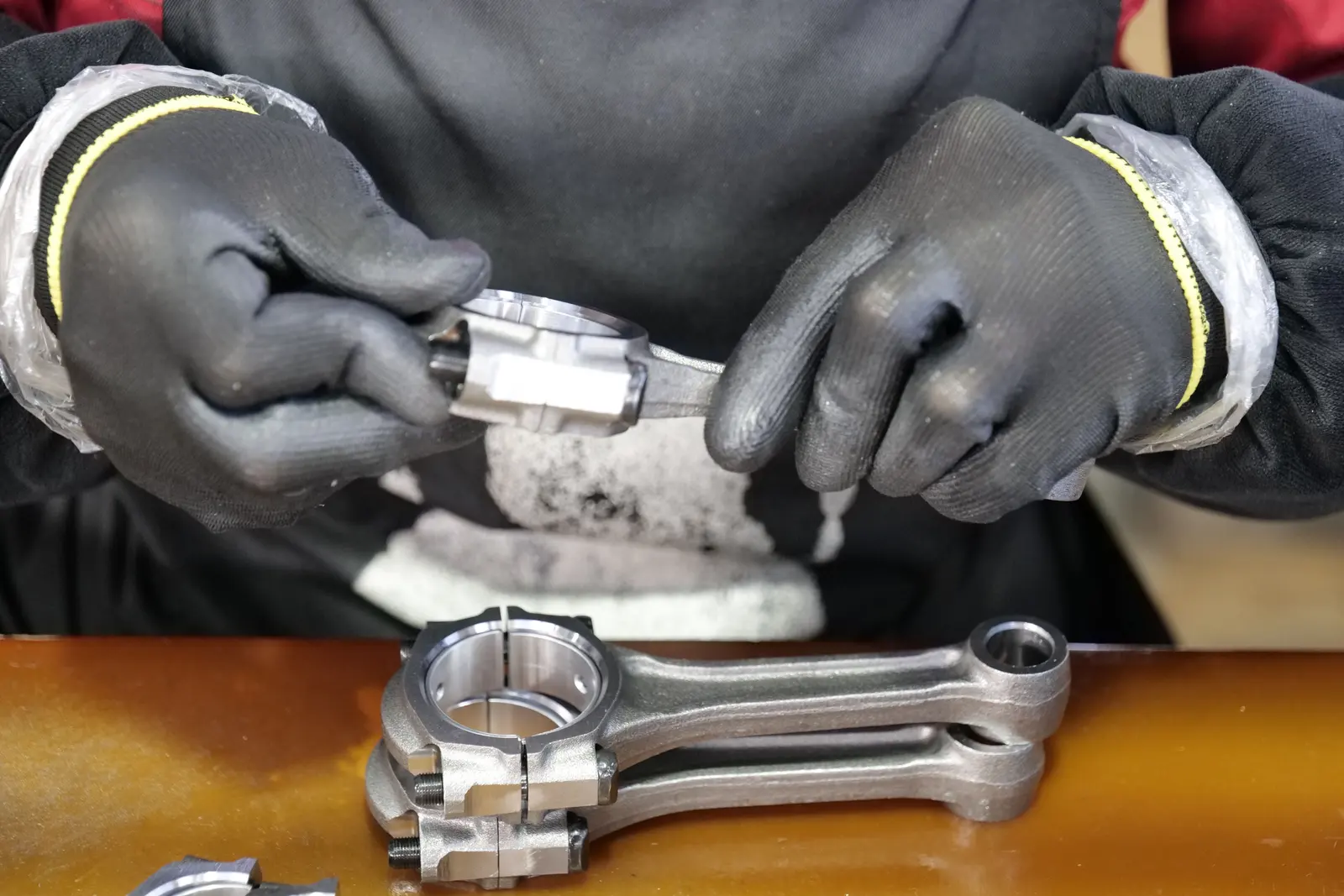
Rod knock comes from the bottom of the engine. Each piston is joined to the crankshaft by a connecting rod. A thin bearing sits between the rod and the crankshaft, on a film of oil. MAHLE's engine bearing guide explains what happens when that oil film breaks down: metal touches metal, and the bearing wears out early. Bell Performance describes the result as deeper and heavier than a lifter tick, and more pronounced as engine speed or load changes.
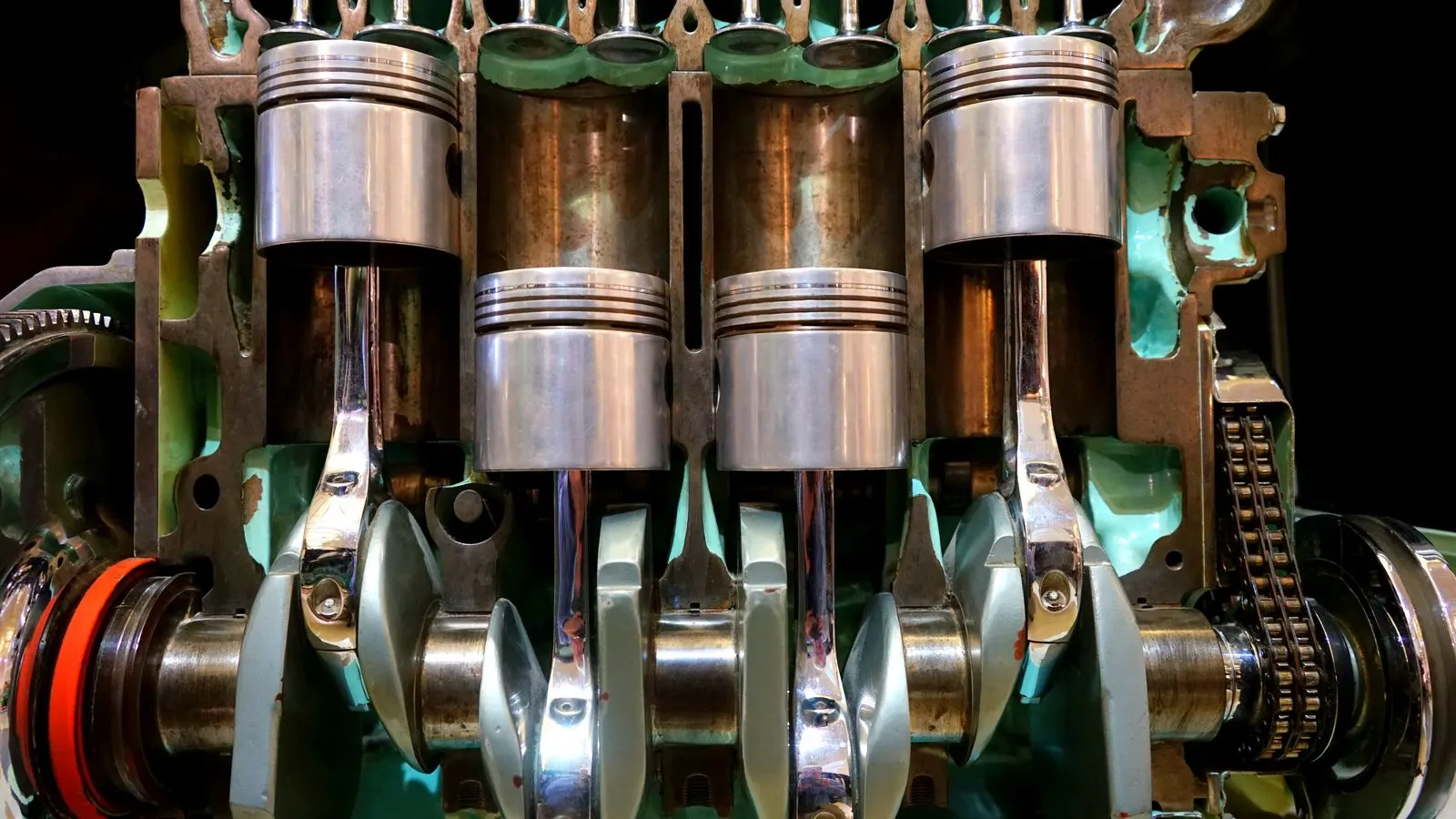
What wears those bearings out? MAHLE's Clevite bearing guide lists eight major causes of early engine bearing failure and how often each was the main cause:
| Cause | Share of failures |
|---|---|
| Dirt | 45.4% |
| Misassembly | 12.8% |
| Misalignment | 12.6% |
| Insufficient lubrication | 11.4% |
| Overloading | 8.1% |
| Corrosion | 3.7% |
| Improper journal finish | 3.2% |
| Other | 2.8% |
The same guide lists what starves a bearing of oil. The list includes broken or plugged oil passages, a blocked oil pickup screen or filter, and a failing oil pump or pressure relief valve. Our engine repair page puts the everyday version simply. Running low on oil, or going too long between changes, starves the bearings. That shows up as a knock that gets louder with engine speed.
Factory defects cause it too. GM's 2025 recall of the 6.2-liter L87 V8 names two root causes. One is rod-bearing damage from sediment on the connecting rods and crankshaft oil galleries. The other is crankshafts made out of specification (NHTSA recall report).
Finding the cause matters as much as the repair. MAHLE warns against replacing a damaged bearing without finding why it failed. More than 99% of the time, it says, the new bearing then faces the same cause. A proper repair fixes the oil supply, the dirt or the defect as well.
Piston Slap: The Knock on Cold Mornings
Piston slap is a knock that starts after a cold start and fades as the engine warms up. Mighty Auto Parts explains it on GM V8s with short-skirt aluminum pistons. There is a small clearance between the piston skirt and the cylinder wall. When the engine is cold, especially at 50°F or colder, the piston rocks against the wall and knocks. As the engine heats up, the skirt expands and tightens in its bore, and the noise stops.
Mighty's technical writer says the GM V8 cold-start knock does not affect how long the engine lasts. Two cautions, though. Many people mistake it for a bearing knock. And a knock that stays, or gets louder, once the engine is fully warm is not piston slap. Have that one checked.
Ticks That Sound Like a Knock: Lifters, Injectors and Exhaust Leaks
A lifter tick is lighter and faster than a knock. RealTruck describes it as a sharp, repetitive metallic tapping from the upper part of the engine that speeds up and slows down with engine speed. It may be most noticeable at a cold start or at idle. If a lifter is worn, stuck or collapsed, the noise may stay after the engine warms.
Common causes RealTruck lists:
- Low oil pressure or low engine oil
- Old, dirty or broken-down oil
- The wrong oil viscosity
- A worn, stuck or collapsed lifter
- Normal bleed-down of hydraulic lifters during a cold start
Check the oil level first. If the level and the oil look right but the tick stays, the next step is oil pressure. A technician measures it with a mechanical gauge and compares it with the factory specification.
Some ticks are normal. Direct injection sprays fuel straight into each cylinder at more than 2,000 psi. Mighty Auto Parts says the high-pressure fuel pump makes a distinct clicking or ticking. It can be very noisy at a cold start and quiets down as the engine warms. Certain GM V8s also tick for up to about 50 seconds after a cold start. That noise is combustion in the exhaust manifold while the engine runs its cold-start emissions timing. Mighty cites GM bulletin PIP5104A for these trucks and SUVs: the 2009-2013 Cadillac Escalade, and the 2009-2015 Chevrolet Express, Silverado and Suburban and GMC Savana and Sierra, with certain 6.0- and 6.2-liter V8s.
An exhaust leak near the engine can also tick like a lifter. Bell Performance notes it often has a sharper, puffing sound, especially under load. Don't try to find it with your hand: the exhaust manifold gets extremely hot.
Is Engine Knocking Dangerous? Keep Driving or Shut It Off
It depends on which knock you have. Wikipedia sums up spark knock this way: its effects range from inconsequential to completely destructive. Rod knock is always serious. Use this table to decide what to do right now:
Swipe the table sideways if it is cut off.
| What you hear and see | What to do |
|---|---|
| Any knock or tick with the oil pressure light on | Pull over and shut the engine off now. Have it towed. |
| A new, deep knock that gets louder as the engine revs | Shut it off and have it towed. Don't try an oil additive. |
| Knocking plus a check engine light, rough running or loss of power | Drive as little as possible and get it scanned the same day. |
| A light ping only when accelerating or climbing | Ease off. Refill with the octane your manual names. Book a check if it continues. |
| A knock right after a cold start that fades as it warms | Not an emergency. Have it checked if it lasts after the engine is warm. |
| A light, fast tick from the top of the engine | Check the oil level now and top up with the right oil. Book a check if it stays. |
Sources: our engine repair page (the oil light), Bell Performance (rod knock), GM's recall report (warning signs), the FTC and Jiffy Lube (octane), Mighty Auto Parts (cold-start knock) and RealTruck (lifter tick).
Why we are strict about the oil light: every minute an engine runs without oil pressure grinds the bearings and the crankshaft. That is what turns a rebuild into a replacement engine.
Why Is My Engine Knocking at Idle?
Spark knock is mostly heard when accelerating (Driven Racing Oil). So a knock while the car sits at idle is more likely to be one of the mechanical noises. Work through it like this:
- A light, fast tick at idle, loudest at a cold start: the lifter pattern. Check the oil level first.
- A knock at cold idle that fades in a few minutes: the piston slap pattern.
- A deep knock at idle that grows when the engine revs: the rod knock pattern. Don't rev it to test it. Shut it off.
- A tick that seems to come from the exhaust side: possibly an exhaust leak. Keep your hands away from the manifold.
How a Shop Finds the Cause
A sound alone does not prove anything. These are the checks that do:
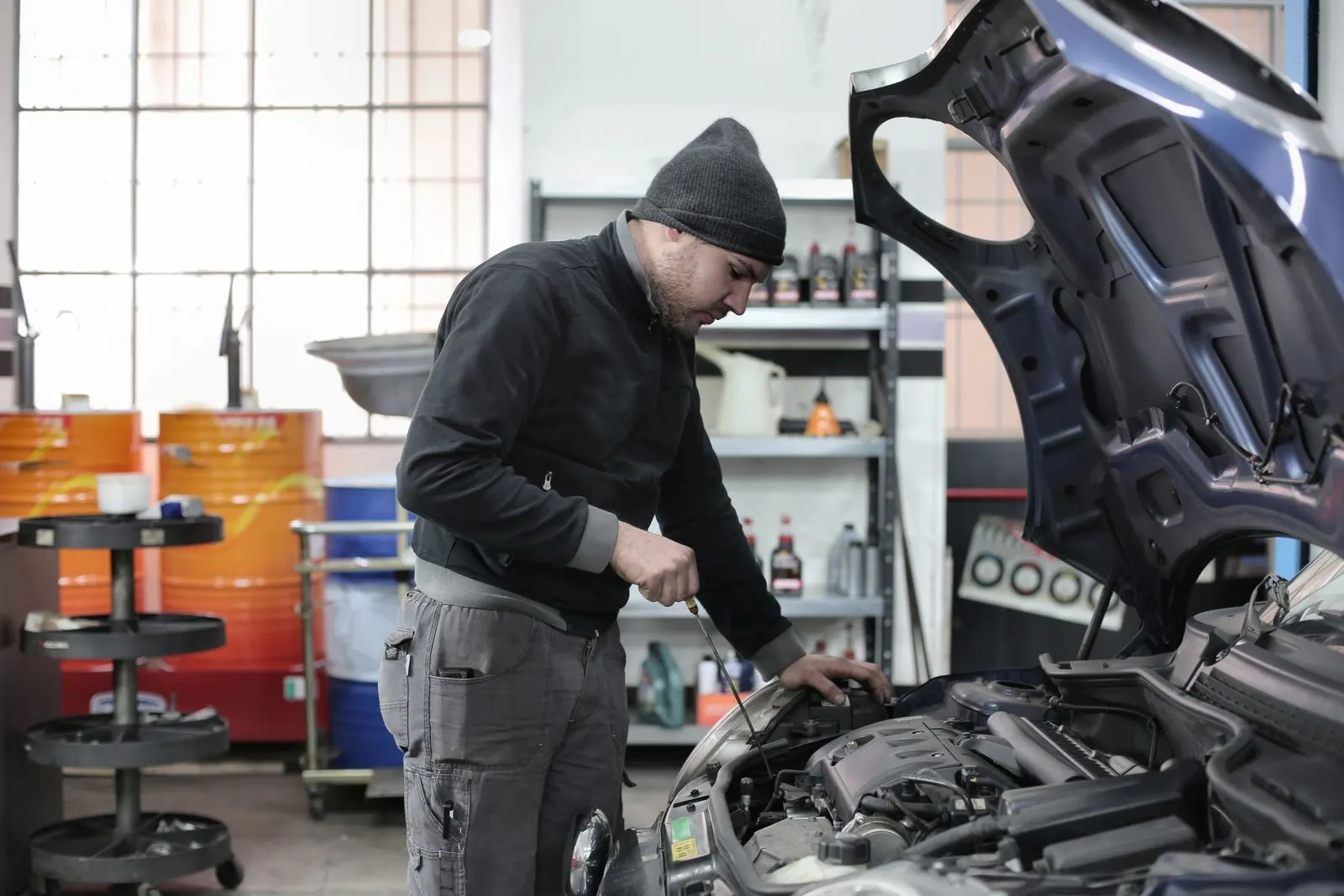
- Oil level and condition. Low, dirty or wrong oil explains a lot of ticks and some knocks (RealTruck).
- Oil pressure with a mechanical gauge. A gauge shows the real pressure, which the technician compares with the factory specification (RealTruck).
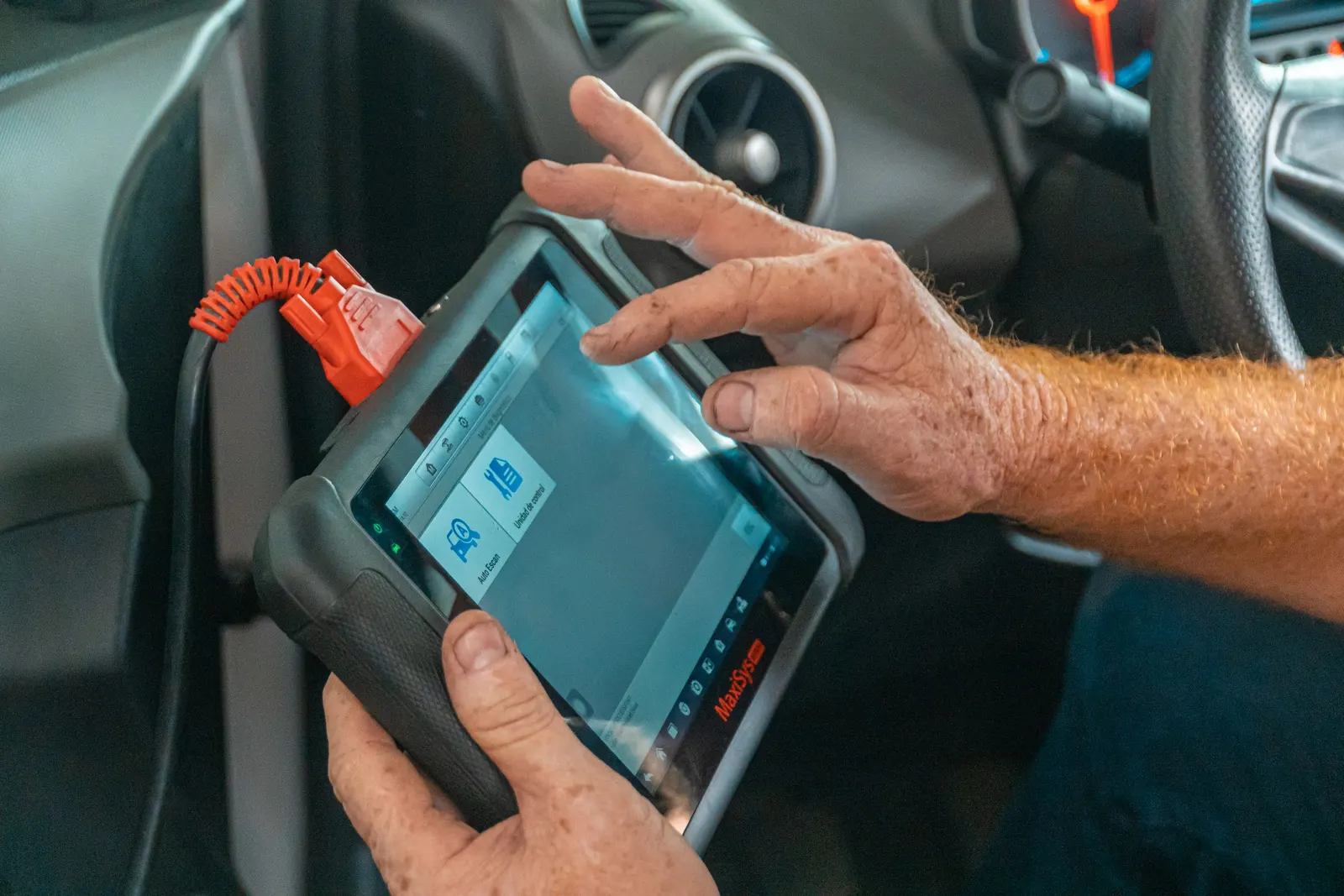
- A scan for codes. Knock sensor circuit codes like P0325 and P0330, and misfire codes like the ones in our P0300 guide.
- Listening with a mechanic's stethoscope. It narrows down where the noise is loudest: the valvetrain, the fuel injection system or the bottom end (Bell Performance).
- The oil, the filter and the pan. They are checked for bearing material, a sign the bearings are wearing.
- Compression or leak-down test, and a look inside the cylinders. These separate a dropped valve or a burned piston from a bearing.
- A recall check. Enter the VIN at nhtsa.gov/recalls before anyone quotes an engine.
Our engine repair page uses the same tests to decide between a repair, a rebuild and a replacement engine.
Engine Knocking Fix: What Repairs Each Cause
- The wrong fuel: fill up with the octane your manual names (FTC). Top Tier gas leaves fewer deposits (AAA).
- Carbon deposits: combustion chamber cleaners can help. Some manufacturers recommend removing the cylinder head and cleaning the carbon off by hand (Mighty Auto Parts).
- Worn spark plugs: new plugs at the interval in your owner's manual (Jiffy Lube).
- A knock sensor code: the sensor circuit and wiring are tested first, then repaired or the sensor replaced. A new sensor will not fix a knock the old one was correctly reporting.
- A noisy lifter: fresh oil of the right viscosity may help if oil was the problem. A worn or collapsed lifter has to be replaced. Reaching it can mean removing the intake manifold, valve covers or cylinder head (RealTruck).
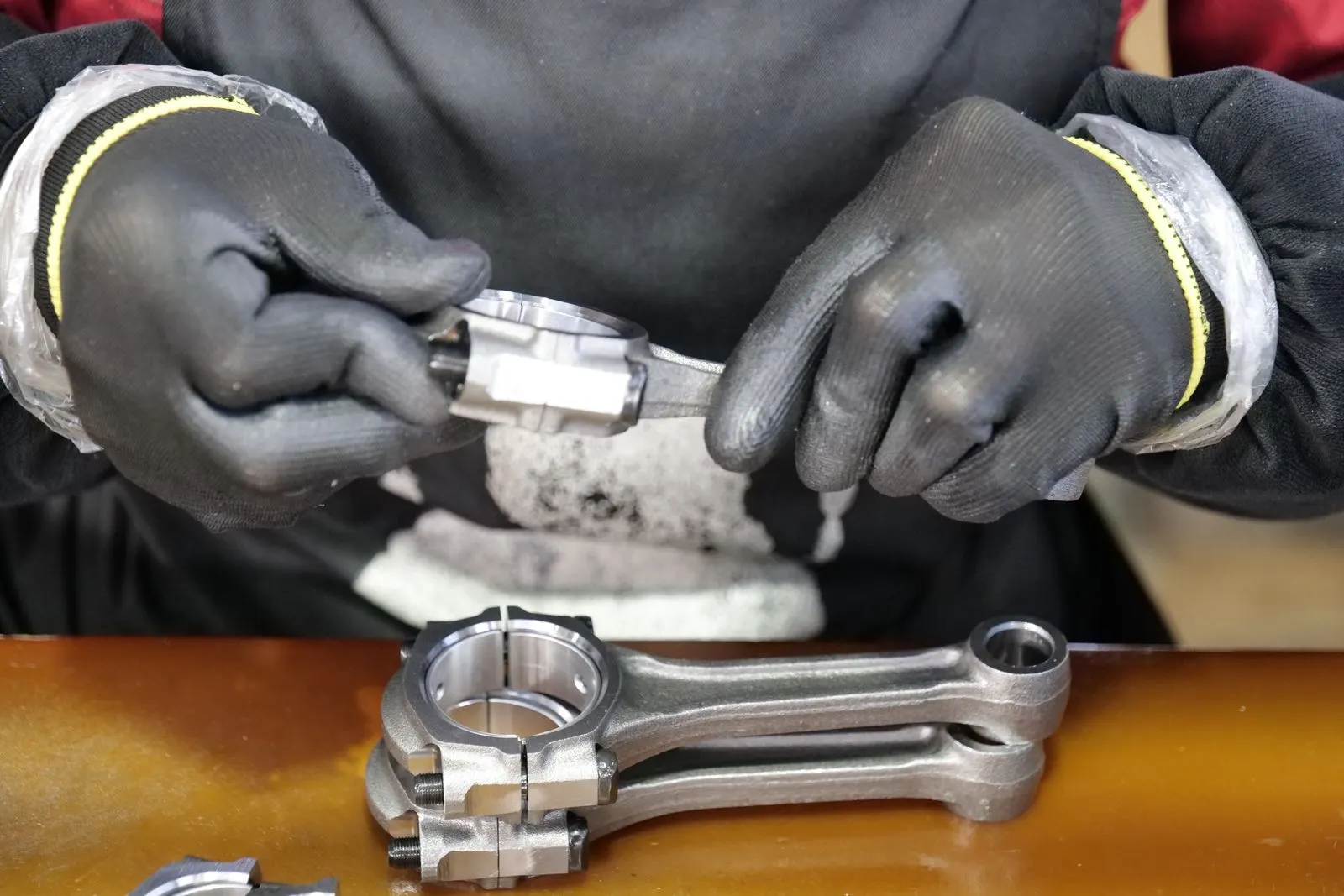
- A rod or main bearing: an additive will not fix it (Bell Performance). If the crankshaft and block can be machined back to specification, the engine is rebuilt with new bearings. If they can't, a remanufactured or used replacement engine goes in. Our engine repair page explains how that choice is made.
Replacement Engines in California
California treats an engine swap in one of two ways. A replacement engine matches the original's make, number of cylinders and engine family (test group). It can be new, rebuilt, remanufactured or used, and the original emission controls go back on. It does not need a BAR Referee inspection. Any other engine is an engine change. It must pass an initial inspection at a BAR Referee Center before it can pass Smog Check (Bureau of Automotive Repair).
What Decides the Size of the Repair
We don't publish prices, because the honest answer depends on what is knocking. These are the things that move it:
- Where the noise comes from: fuel, plugs or a sensor is a far smaller job than anything inside the engine.
- How long it ran: a bearing caught early may mean a rebuild. An engine run without oil pressure may need a replacement engine.
- Whether the crankshaft and block can be saved: that decides between a rebuild and a replacement engine.
- The engine layout: an inline four is a smaller job than a V6, a V8 or a Subaru boxer with two cylinder heads.
- What caused it: a clogged oil pickup, a failed oil pump or an overheat has to be fixed in the same visit.
- Recall or warranty coverage: a recall can change who pays. Check the VIN first.
California law protects you on a job this size. The Bureau of Automotive Repair says that by law a shop must give you a written estimate before doing any work. For complex problems, a shop may need to take the engine apart to give an accurate estimate. That is called a teardown, and there may be a charge for it even if you don't go ahead. After the teardown, the shop must write a revised estimate for the repair.
Recalls and Investigations Tied to Engine Knock
Check these before you pay for an engine:
- GM 6.2-liter L87 V8, recall 25V-274. 597,571 vehicles: 2021-2024 Cadillac Escalade and Escalade ESV, Chevrolet Silverado 1500, Suburban and Tahoe, and GMC Sierra 1500, Yukon and Yukon XL. GM lists knocking, banging or other unusual engine noises as a warning sign (NHTSA recall report). Our GM 6.2 recall guide explains the free engine test and NHTSA's later investigation.
- Honda and Acura 3.5-liter V6, NHTSA investigation PE25008. Opened August 20, 2025 after 414 reports to NHTSA of connecting rod bearing failures leading to complete engine failure. It covers an estimated 1,410,806 vehicles: 2018-2020 Acura TLX, 2016-2020 Acura MDX, 2016-2020 Honda Pilot, 2018-2020 Honda Odyssey and 2017-2019 Honda Ridgeline. NHTSA found these failures fall outside Honda's 2023 crankshaft recall 23V-751 (NHTSA).
For any make, enter your VIN at nhtsa.gov/recalls and ask the dealer about open campaigns before deciding on an engine.
Engine Knocking in Sonoma County? Call Rohnert Park Transmission
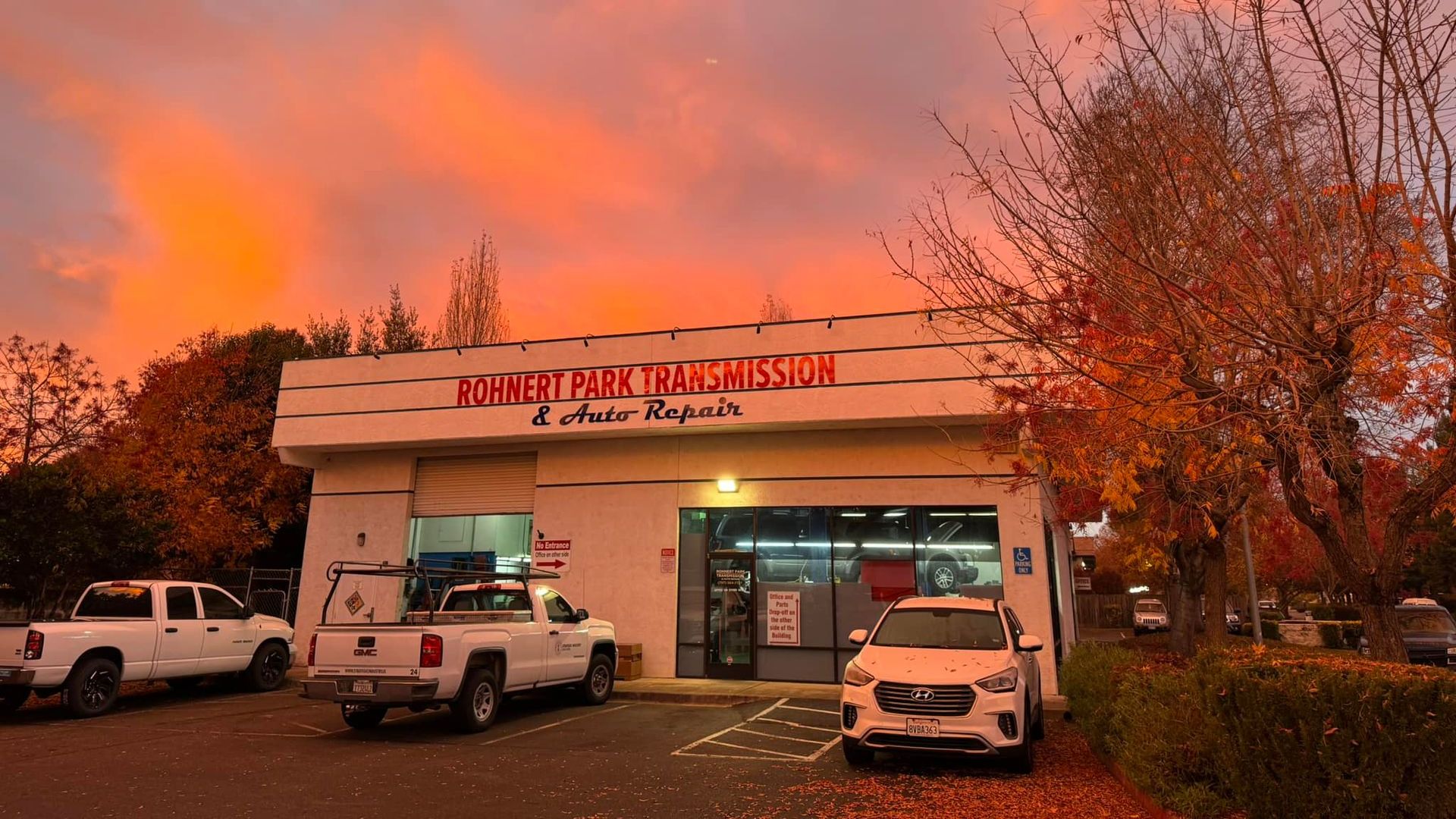
Rohnert Park Transmission & Auto Repair is at 305 Laguna Dr in Rohnert Park. We diagnose engine failures, rebuild engines in our shop, and install remanufactured or used replacement engines. We also do cylinder head repair and timing belt and timing chain work. Drivers come to us from across Sonoma, Marin and Napa counties.
When you call, tell us:
- The year, make, model and mileage
- When the knock happens: cold, warm, at idle or when accelerating
- Whether it speeds up when the engine revs
- Any warning lights, especially the oil pressure light
- The fuel grade you use and when the oil was last changed
We are open Mon–Thu 7:30 AM – 5:00 PM and Fri 7:00 AM – 3:00 PM. If the oil light is on or the knock is deep and growing, have the car towed rather than driven. Call (707) 584-7727 for a free estimate, or read how we handle engine rebuilds and replacement engines. Not sure the noise is the engine at all? Our strange car noises page covers grinding, squealing, clicking and more.
Frequently Asked Questions
What does engine knock sound like?
It depends on the cause. Spark knock is a light, metallic ping that is most noticeable when you accelerate. Driven Racing Oil compares it to marbles clattering inside a tin can. Rod knock is deeper and heavier, and it gets more pronounced as engine speed or load changes. Piston slap is a knock after a cold start that fades as the engine warms. A lifter tick is a sharp, fast tapping from the top of the engine that speeds up and slows down with engine speed.
What causes engine knocking?
Spark knock comes from fuel igniting at the wrong moment. Common causes are fuel with too little octane, carbon deposits, worn spark plugs, ignition timing that is off, or a knock sensor fault. Mechanical knocks come from worn parts. A damaged connecting rod bearing causes rod knock. Extra clearance between a piston and its cylinder wall causes piston slap. A lifter short of oil causes lifter tick.
Is engine knocking dangerous?
Some knocks are, some are not. Light spark knock can be harmless, but its effects range from inconsequential to completely destructive, so it should be found and fixed. A deep knock that grows with engine speed, or any knock with the oil pressure light on, is dangerous to the engine: shut it off. A short knock after a cold start that fades as the engine warms is usually piston slap, which is not an emergency.
Can you drive with a knocking engine?
Not if it is a deep knock that grows with engine speed or the oil pressure light is on. Pull over, shut the engine off and have it towed, because every minute without oil pressure grinds the bearings and the crankshaft. A light ping only when accelerating can be driven gently to a shop after you refill with the octane your owner's manual calls for. If you are not sure which knock you have, treat it as the serious one.
How do you fix an engine knock?
Fix the cause, not the noise. Spark knock is fixed with the right fuel, cleaning carbon, new spark plugs, correct ignition timing or a knock sensor circuit repair. A noisy lifter may quiet down with fresh oil of the right viscosity, but a worn or collapsed lifter has to be replaced. With a damaged rod bearing, the engine is rebuilt if the crankshaft and block can be machined. If they cannot, it is replaced with a remanufactured or used engine.
Will an oil additive fix rod knock?
No. Bell Performance, a company that sells oil additives, says a suspected rod knock is not something to experiment with using an oil additive. Running an engine with a failing connecting rod bearing can lead to extensive damage or complete engine failure. Shut the engine off and have it inspected.
Does higher octane gas stop engine knocking?
Only if the engine needs it. The Federal Trade Commission says premium is worth paying for only if your owner's manual calls for it or your engine is knocking. For most cars, that is 87 octane regular. Use the grade your manual names. If the knock is still there after a few fill-ups, have the engine checked.
Why does my engine knock when it is cold and then stop?
That pattern usually points to piston slap. On engines with short-skirt aluminum pistons, the piston can rock against the cylinder wall right after a cold start, especially below 50 degrees Fahrenheit. As the engine warms, the piston expands and the noise stops. A knock that stays or gets louder once the engine is warm is something else and should be checked.
What is the difference between engine knock and lifter tick?
A lifter tick is a lighter, sharp, repetitive tapping from the upper part of the engine. It is often loudest at a cold start or at idle. Low oil, old or wrong oil, or low oil pressure often cause it. A rod knock is deeper and heavier and comes from the bottom of the engine. Check the oil level first. If the oil is full and the noise is a deep knock, shut the engine off and get it inspected.
Sources
- Wikipedia, Engine knocking: what knock is, the pinging sound, spark timing, knock sensors, and its range of effects.
- Federal Trade Commission, FTC Finalizes Exxon Settlement (1997): when premium fuel is needed, and 87 octane regular.
- Jiffy Lube, What Is Engine Knock and Driven Racing Oil, What Is Engine Knock and How Can You Fix It?: causes of spark knock, spark plug intervals, octane advice.
- AAA, Top Tier gasoline study: 19 times fewer intake valve deposits over 4,000 simulated miles.
- MAHLE Aftermarket, Engine Bearing Failure Analysis and Correction (Clevite): causes of bearing failure and oil starvation.
- Bell Performance, Can An Oil Additive Fix Engine Lifter Tick? (2026): rod knock, exhaust leaks, injector noise, using a stethoscope.
- RealTruck, What Is Lifter Tick? (2026): lifter tick sound, causes and oil pressure checks.
- Mighty Auto Parts, Silencing Engine Sounds (2022): piston slap, carbon knock, direct injection noise, the GM cold-start tick.
- OBD-Codes.com, P0325 and P0330: knock sensor circuit codes.
- NHTSA, Part 573 safety recall report 25V-274 and NHTSA ODI resume PE25008: GM L87 and Honda/Acura 3.5-liter bearing failures.
- California Bureau of Automotive Repair, Engine Changes and A Consumer's Guide to Auto Repair (PDF): replacement engines, written estimates and teardowns.
Bottom Line
A light ping when you accelerate is usually fuel, carbon or timing, and it is often fixed without taking the engine apart. A deep knock that grows with engine speed is a bearing until proven otherwise. A cold-morning knock that fades is often piston slap, and a fast tick from the top is often a lifter short of oil. Whatever you hear, if the oil pressure light is on, shut the engine off. For engine knocking anywhere in Sonoma, Marin or Napa County, call Rohnert Park Transmission at (707) 584-7727.
Tags:
Need Professional Auto Service?
Trust your vehicle to Rohnert Park's transmission and auto repair experts. We offer comprehensive diagnostics and repairs with a commitment to quality and transparency.
Related Articles
Engine Repair, Rebuilds & Replacement in Rohnert Park
How a failed engine is diagnosed, when it is repaired, rebuilt or replaced, and what California requires for a replacement engine.
Strange Car Noises
Grinding, squealing, clicking, clunking and knocking: what each noise usually points to.
GM 6.2 Engine Recall (25V-274)
The L87 V8 recall, the warning signs GM lists, and NHTSA's investigation into failures after the fix.
P0300 Random Misfire Code
What a random misfire code means, what causes it, and why a flashing check engine light needs attention.