GM Recalls 90,000 Trucks Over Transmission Defect
A valve body malfunction in the 10-speed automatic can lock rear wheels at highway speed. Here's what owners need to know.
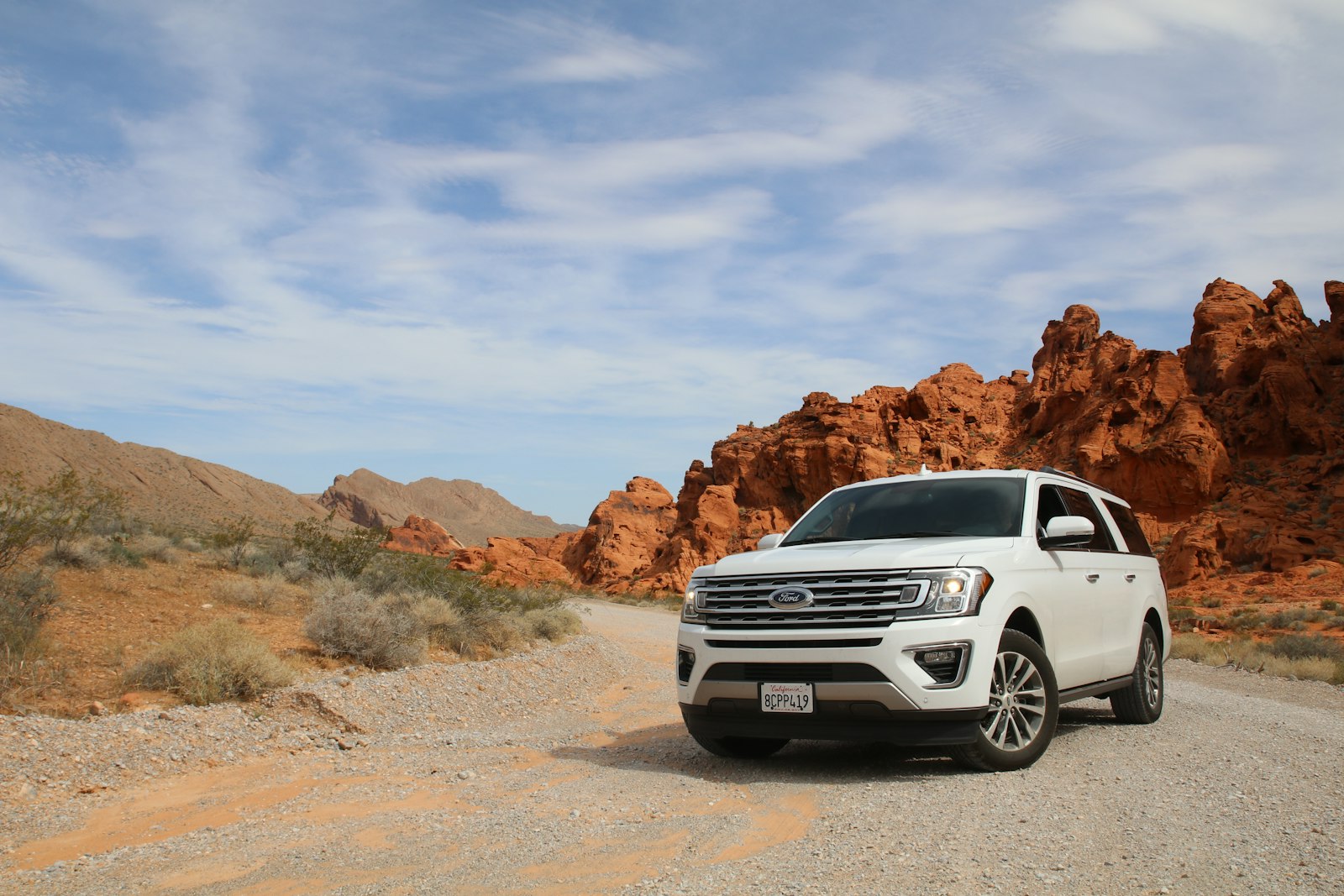
Photo: Chevrolet Silverado 1500, one of the affected models
If you drive a late-model Chevrolet Silverado or GMC Sierra, there's something you should know. General Motors has issued a recall affecting more than 90,000 trucks and SUVs equipped with 10-speed automatic transmissions—a defect that can cause your rear wheels to lock up at highway speed without warning.
The problem centers on the valve body, the component that controls gear changes. When it fails, the transmission can attempt to engage two gears simultaneously. The result: instant wheel lock-up, potential loss of vehicle control, and a crash risk that has prompted federal regulators to act.
First disclosed in November 2024, the recall has since expanded to cover both light-duty 1500-series trucks and heavy-duty 2500/3500 models built between 2019 and 2024.
“The transmission attempts to engage two gears simultaneously, causing the rear wheels to lock up suddenly while driving.”
— National Highway Traffic Safety Administration
GM 10-speed transmission recall — the data
NHTSA recall documentation, GM Customer Service bulletins, class-action filings, and automotive industry transmission data establish the scope, affected vehicles, and remediation timeline for the 10L80 and 10L90 transmission issues.
- 90,000+ trucks under 2025 NHTSA recall — NHTSA recall documentation covers approximately 90,000 GM trucks and SUVs (Silverado, Sierra, Tahoe, Yukon, Suburban, Escalade) for 10L80/10L90 10-speed valve body defects causing potential wheel lock-up at highway speeds. Critical safety recall.
- Joint GM-Ford 10-speed development — The 10L80 and 10L90 transmissions are based on a joint GM-Ford 10-speed automatic transmission program, sharing core architecture with Ford's 10R80 used in F-150 EcoBoost and Mustang GT applications. Issues in one platform often surface in both.
- 2017-2024 affected production years — NHTSA defect investigation and GM technical service bulletin data confirms 10-speed valve body issues span the 2017-2024 production years, with peak complaint concentration in 2017-2019 (early-production-defect pattern typical of new transmission designs).
- $1,200-$3,500 valve body replacement cost — AAA Approved Auto Repair pricing data and ALLDATA labor estimates place 10L80/10L90 valve body replacement at $1,200-$3,500 depending on shop labor rate and whether full transmission service is included. Recall-covered repairs are warranty work — owners pay zero out of pocket.
- Wheels-lock-at-speed is recall trigger — The specific defect that triggered the NHTSA recall is transmission output shaft lock-up causing rear wheels to suddenly stop rotating at highway speeds — a clear safety hazard that elevated the issue from service bulletin to full recall classification.
- Software calibration fix available — For some vehicles in the affected range, GM has released transmission control module software calibration updates (TCM reflash) that mitigate the valve body wear pattern without requiring hardware replacement. Dealer scan and reflash typically takes 1-2 hours.
- Powertrain warranty extended for affected vehicles — GM has extended powertrain warranty coverage on documented affected 10-speed vehicles to cover the recall-related defect even for owners outside the original 5 year / 60,000 mile powertrain window. Check VIN against GM Recall Lookup for specific coverage.
The Technical Failure
The 10-speed automatic in these vehicles—co-developed with Ford and carrying Allison branding—uses a valve body to direct hydraulic pressure and control gear engagement. Think of it as the transmission's traffic controller: it decides which clutch packs engage and when.
During highway driving, when the vehicle downshifts for passing or hill climbing, the defective valve body can malfunction. Instead of cleanly releasing one gear before engaging another, both activate. The driveline binds. The wheels lock.

GMC Sierra models from 2019-2024 are included in the recall.
Diesel-powered trucks face elevated risk. The Duramax engines produce significantly more torque, and these trucks are frequently used for towing—conditions that stress the transmission most severely.
The recall covers Chevrolet Silverado 1500, 2500HD, and 3500HD models, GMC Sierra 1500, 2500HD, and 3500HD, plus full-size SUVs: Tahoe, Suburban, Yukon, Yukon XL, and Cadillac Escalade variants. Model years range from 2019 through 2024, though not every vehicle with the 10-speed is affected. VIN-specific lookup is available at nhtsa.gov/recalls.
Warning Signs
The failure doesn't always occur without precursors. Many owners report experiencing symptoms days or weeks before complete failure: harsh or delayed shifts at highway speed, transmission slipping in the mid-gear range, sudden “limp mode” activation, or a check engine light with codes like P0700 (transmission malfunction) or P0730 (incorrect gear ratio).
Shuddering or vibration during highway cruising, particularly when the transmission is hunting between gears, can indicate the valve body is beginning to fail. If you notice any of these, get the transmission inspected before the problem escalates.
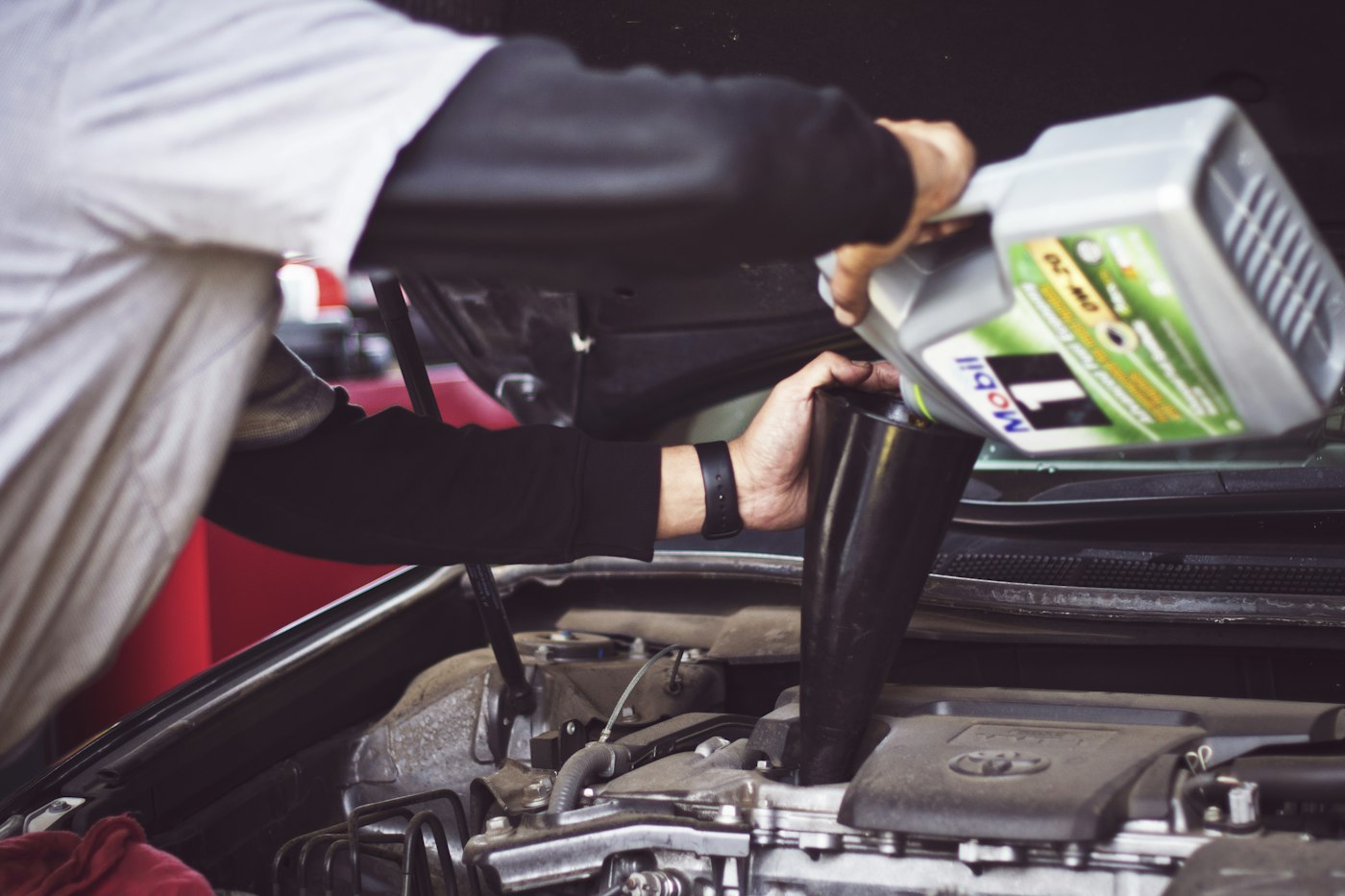
Transmission inspection can identify early warning signs before catastrophic failure occurs.
The Repair
GM's solution is a “Gen 3” valve body replacement that includes a redesigned separator plate, new clutch regulating valve, and higher-tension spring. The repair is covered at no cost and takes 4-8 hours. The problem: parts availability. Some owners report months-long waits.
The repair must be performed at a GM dealership. If your vehicle has already entered limp mode, you may qualify for rental car coverage or a loaner. Ask when scheduling.
Some independent transmission specialists have questioned whether the three-component fix truly addresses the root cause. For now, it's the only option—and getting your VIN on the list sooner means getting the repair sooner.
What To Do Now
Check your VIN at nhtsa.gov/recalls or GM's recall portal. Don't assume you're safe because symptoms haven't appeared—the failure can occur without warning.
Consider an independent inspection. Even if the dealer says you're fine, a transmission specialist may catch early signs the dealer's checklist misses. We offer transmission inspections for affected GM vehicles at our Rohnert Park shop.
If you're waiting for parts, drive cautiously. Avoid towing, aggressive acceleration, and extended highway runs. If symptoms appear while driving, signal, move to the shoulder safely, activate hazards, and call for a tow. Do not continue driving.
Need a transmission inspection?
Our ATRA-certified technicians can check your vehicle for recall eligibility, scan for transmission codes, and identify early warning signs. Free for affected GM trucks.
(707) 584-7727Questions
Is the recall mandatory? It's a federal safety recall, so GM is required to repair affected vehicles at no cost. You're not legally obligated to get it done, but given the risk, you should.
Can I drive while waiting for parts? Yes, but carefully. Avoid heavy loads and aggressive driving. If symptoms appear, stop immediately and have the vehicle towed.
Are Ford trucks with the same transmission affected? No. While the 10-speed was co-developed with Ford, this valve body defect is specific to GM's implementation.
What if the fix doesn't work? If you experience repeat failure after the recall repair, document everything. Persistent issues may support a lemon law claim.