Car Shaking at Idle: 8 Causes and When to See a Mechanic
Your car shouldn't shake when you're sitting still. From worn spark plugs to failing engine mounts, here are the most common reasons your vehicle vibrates at idle—and what to do about each one.
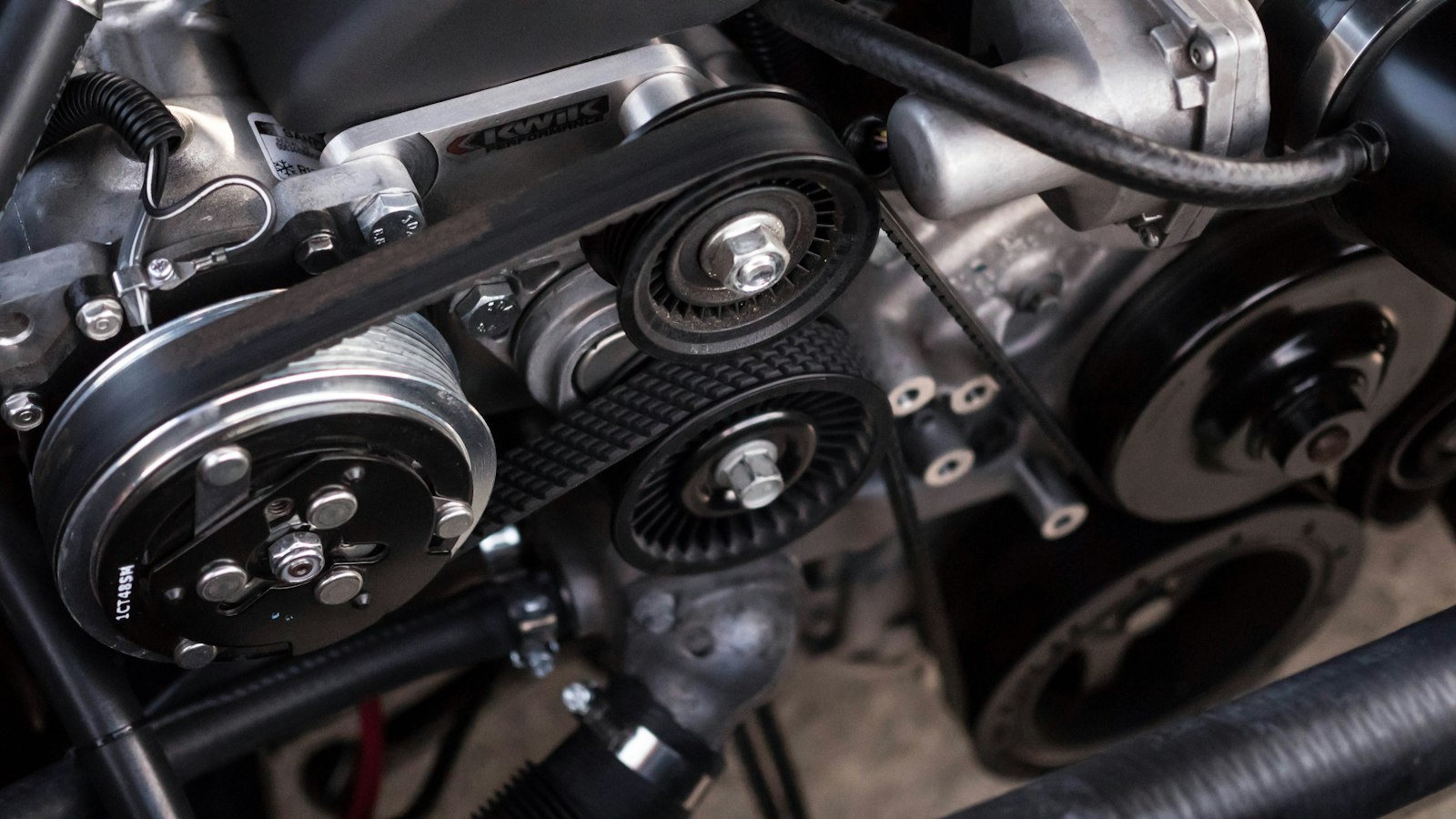
Multiple engine components can cause shaking at idle when they wear out or fail.
You're stopped at a red light and your car starts trembling. The steering wheel vibrates in your hands. The dashboard shakes slightly. It feels like the engine is struggling to stay running. Then the light turns green, you accelerate, and the shaking disappears. Sound familiar? A car shaking at idle is one of the most common complaints auto repair shops hear, and it almost always signals that something needs attention.
The good news is that most causes of idle vibration are well understood and repairable. The bad news is that ignoring the problem usually makes it worse—and more expensive. This guide covers the eight most common reasons your car shakes at idle, how to tell them apart, and when you need professional help.
Why Your Car Shakes at Idle but Not While Driving
At idle, your engine runs at its lowest speed—typically between 600 and 1,000 RPM. This is when the engine produces the least power and has the least momentum to smooth over irregularities. Any imbalance in the combustion process, air-fuel mixture, or mechanical components becomes amplified because there's nothing masking it.
Think of it like balancing on one foot versus walking. Walking uses momentum to keep you steady. Standing still reveals every wobble. Your engine works the same way. At highway speeds, the rotating mass and combustion frequency smooth out minor problems. At idle, those same problems shake the entire vehicle.
A slight vibration is normal in any internal combustion engine—after all, it's a machine with pistons firing thousands of times per minute. But if the vibration has increased noticeably, if you can feel it in the steering wheel or seat, or if it's accompanied by other symptoms like a check engine light, stalling, or unusual sounds, something is wrong.
At idle, your engine produces the least power and has the least momentum to mask problems. Every imbalance gets amplified.
8 Common Causes of Car Shaking at Idle
1. Worn or Fouled Spark Plugs
Spark plugs ignite the air-fuel mixture in each cylinder. When they wear out, develop carbon deposits, or have an incorrect gap, they produce a weaker or inconsistent spark. This causes misfires— cylinders that either fire late, fire weakly, or don't fire at all. At idle, even a single misfiring cylinder creates a noticeable vibration because the engine has no momentum to compensate.
Conventional copper spark plugs typically last around 30,000 miles. Iridium and platinum plugs can last 60,000 to 100,000 miles, depending on the manufacturer's recommendation. If you can't remember the last time your spark plugs were replaced, they're a prime suspect.
Common symptoms alongside the shaking include poor fuel economy, a check engine light (often a P0300 random misfire code), sluggish acceleration, and difficulty starting. A tune-up that includes spark plug replacement often resolves the issue entirely.
2. Dirty or Failing Mass Airflow Sensor
The mass airflow (MAF) sensor measures how much air enters the engine so the computer can calculate the correct amount of fuel to inject. When the sensor gets contaminated with oil residue or debris, it sends inaccurate readings. The engine computer then delivers too much or too little fuel, creating an uneven combustion pattern that you feel as a rough idle.
A dirty MAF sensor typically triggers a check engine light with a P0101 code. Sometimes cleaning the sensor with specialized MAF cleaner solves the problem. In other cases, the sensor needs replacement. Either way, it's a relatively straightforward repair that makes a dramatic difference in idle quality.
3. Vacuum Leaks
Your engine relies on a network of vacuum hoses to manage air distribution, operate accessories, and maintain proper pressure in the intake manifold. When a hose cracks, a gasket deteriorates, or a connection works loose, unmetered air enters the engine. This extra air creates a lean condition—too much air relative to fuel—causing rough, unstable idling.
The telltale sign of a vacuum leak is a hissing or whistling sound from the engine bay, most noticeable at idle. The idle speed may also fluctuate erratically, jumping between low and high RPM as the engine computer tries to compensate for the unmeasured air. Vacuum leaks tend to worsen over time as rubber components age and become more brittle, especially in the dry summers and cool winters typical in Sonoma County.
Professional inspection can pinpoint the exact cause of idle vibration.
4. Worn Engine Mounts
Engine mounts (also called motor mounts) are rubber-and-metal brackets that secure the engine to the vehicle's frame. Their primary job is to absorb vibration so you don't feel the engine running. When the rubber deteriorates—which happens naturally with age, heat exposure, and oil contamination—the mount loses its dampening ability. Vibration transfers directly from the engine into the cabin.
Worn engine mounts produce a distinctive pattern: the shaking gets worse when you shift into drive or reverse (because the engine torques against the mounts), and it often intensifies when the air conditioning is running (because the AC compressor adds load to the engine). You may also hear a clunking or thudding sound when shifting gears or going over bumps.
5. Dirty Fuel Injectors
Fuel injectors spray a precise amount of fuel into each cylinder at exactly the right moment. Over time, carbon deposits, varnish, and other contaminants can partially clog the injector nozzles. When one or more injectors deliver less fuel than the others, the engine runs unevenly. The imbalance between cylinders creates the vibration you feel at idle.
Symptoms of dirty fuel injectors include rough idle, decreased fuel economy, hesitation during acceleration, and in severe cases, engine misfires. A professional fuel injection cleaning service can restore proper flow in most cases. If an injector is mechanically failed, it will need replacement.
6. Faulty Idle Air Control Valve
The idle air control (IAC) valve regulates how much air bypasses the throttle plate when your foot is off the gas pedal. It's how your engine maintains a steady idle speed. When the IAC valve sticks, clogs with carbon deposits, or fails electronically, the engine can't maintain consistent RPM at idle. You may notice the tachometer needle bouncing between different RPM readings, or the engine may alternately surge and nearly stall.
On many modern vehicles, electronic throttle control has replaced the traditional IAC valve. But the concept is the same—if the idle air control system malfunctions, idle quality suffers. This is especially common on vehicles with higher mileage.
7. Clogged Air Filter
A dirty or clogged engine air filter restricts airflow into the engine. The engine needs a precise balance of air and fuel for clean, efficient combustion. When airflow is restricted, the air-fuel mixture becomes too rich (excess fuel relative to air), leading to incomplete combustion, rough running, and increased vibration at idle.
The engine air filter is one of the cheapest and easiest components to inspect and replace. Most manufacturers recommend replacement every 15,000 to 30,000 miles, but driving on dusty roads or in construction-heavy areas can shorten that interval significantly. Given the agricultural and construction activity throughout Sonoma County, checking your air filter regularly is especially important for local drivers.
8. Ignition System Problems
Beyond spark plugs, the broader ignition system includes ignition coils, spark plug wires (on older vehicles), and the ignition control module. A failing ignition coil can produce an intermittent or weak spark, causing the same kind of misfires and rough idle that worn spark plugs produce. The difference is that a coil failure usually affects one specific cylinder consistently, while worn plugs may cause more random misfires.
Modern vehicles use coil-on-plug ignition, where each cylinder has its own ignition coil mounted directly on the spark plug. When one coil fails, you'll typically get a cylinder-specific misfire code and a check engine light. Our diagnostic service can pinpoint exactly which coil is failing so you only replace what's needed.
An OBD2 diagnostic scan reveals the specific trouble codes behind rough idle, taking the guesswork out of diagnosis.
How to Diagnose Car Shaking at Idle
Start with the basics. If your check engine light is on, have the codes read. Many auto parts stores offer free code reads, though a professional diagnostic scan provides far more detailed information including freeze frame data, live sensor readings, and the ability to cross-reference multiple codes to find the root cause.
Check the simple things yourself: inspect the air filter (is it visibly dirty or clogged?), look for disconnected or cracked vacuum hoses in the engine bay, and note any unusual sounds—hissing suggests a vacuum leak, ticking may point to an exhaust leak, and a rhythmic miss suggests a cylinder not firing.
Pay attention to when the shaking is worst. Does it get worse in drive versus park? That points to engine mounts. Does it get worse with the AC on? Mounts or an accessory drive issue. Does the RPM fluctuate? Likely an idle air control problem or vacuum leak. Does it come and go randomly? Could be an intermittent ignition coil failure.
For many of these issues, professional diagnosis is the fastest path to a fix. A skilled technician can differentiate between overlapping symptoms and identify the actual cause in minutes using scan tools, smoke machines (for vacuum leaks), and hands-on inspection.
When to See a Mechanic Immediately
Some idle vibration scenarios need urgent attention. If your check engine light is flashing, that means active severe misfires are occurring. Driving with a flashing check engine light risks damaging your catalytic converter, turning a moderate repair into an expensive one.
See a mechanic right away if the shaking is getting progressively worse, if the vehicle stalls or nearly stalls at idle, if you smell fuel or burning coming from the engine bay, or if the temperature gauge is climbing higher than normal. Any of these paired with idle vibration suggests a problem that will only get more costly to fix with delay.
Even if the shaking seems mild, don't let it go indefinitely. A minor misfire that costs relatively little to fix today can damage a catalytic converter or oxygen sensor over time, turning a straightforward repair into a cascade of related failures.
How Rohnert Park Transmission Diagnoses Idle Problems
When you bring your vehicle to us with an idle vibration concern, our ASE Certified technicians follow a systematic diagnostic process. We start with a comprehensive OBD2 scan to pull all stored and pending trouble codes. We review freeze frame data to understand the conditions under which codes were set. We perform a live data analysis, watching sensor readings in real time while the engine idles.
From there, we do a hands-on inspection: checking spark plugs, inspecting vacuum lines, testing ignition coils, evaluating engine mount condition, and examining the air intake system. For suspected vacuum leaks, we use a smoke machine that pressurizes the intake system and reveals leaks visually—a far more reliable method than trying to listen for hissing in a noisy engine bay.
We serve drivers throughout Sonoma County including Rohnert Park, Santa Rosa, Petaluma, Cotati, Windsor, Sebastopol, and surrounding areas. Whether you drive a domestic, Japanese, European, or Korean vehicle, our engine misfire repair and diagnostic services can get to the bottom of your idle vibration.
Car shaking at idle? Get it diagnosed.
Our ASE Certified technicians will identify the exact cause of your idle vibration with a professional diagnostic inspection. Serving Rohnert Park and all of Sonoma County.
(707) 584-7727Frequently Asked Questions
Is it safe to drive with a car shaking at idle? It depends on the cause and severity. A mild vibration from a dirty air filter is unlikely to leave you stranded. But a severe misfire (flashing check engine light), stalling, or overheating symptoms mean you should stop driving and get professional diagnosis immediately. When in doubt, have it checked—most idle problems get worse and more expensive over time.
How much does it cost to fix a car shaking at idle? The cost varies widely depending on the cause. An air filter replacement is a minor expense, while engine mount replacement or ignition system work involves more labor. The only way to get an accurate estimate is to have the problem properly diagnosed first. Call us at (707) 584-7727 for a diagnostic consultation.
Can a bad transmission cause shaking at idle? It's uncommon for a transmission to cause shaking specifically at idle. However, worn transmission mounts (which are similar to engine mounts) can contribute to vibration. If the shaking changes significantly when you shift from park to drive or reverse, mounts are a likely suspect. A torque converter problem can also cause vibration at idle when the vehicle is in gear, though this typically comes with other symptoms like slipping or shuddering during acceleration.
Why does my car shake more when the AC is on? When you turn on the air conditioning, the AC compressor engages and places additional load on the engine. At idle, the engine is already working at minimum power. The extra load from the compressor can amplify existing issues—weak engine mounts transmit more vibration because the engine is working harder, and marginal spark plugs or coils may not keep up with the increased demand. If your car only shakes with the AC on, worn engine mounts are the most common culprit.
How long can I drive with a rough idle? There is no universal safe timeframe. Some causes like a dirty air filter are low-risk and won't damage other components. But misfires from bad spark plugs or ignition coils can damage catalytic converters over time, and vacuum leaks can cause the engine to run lean, potentially leading to additional check engine light codes and cascading failures. The sooner you address it, the less it will cost and the less risk you take on.