Pricing Note
Prices shown are national averages for general reference. Costs in California and at specialty shops are typically higher due to regional labor rates and parts availability. Every vehicle is different.
Call (707) 584-7727 for an accurate estimate for your vehicle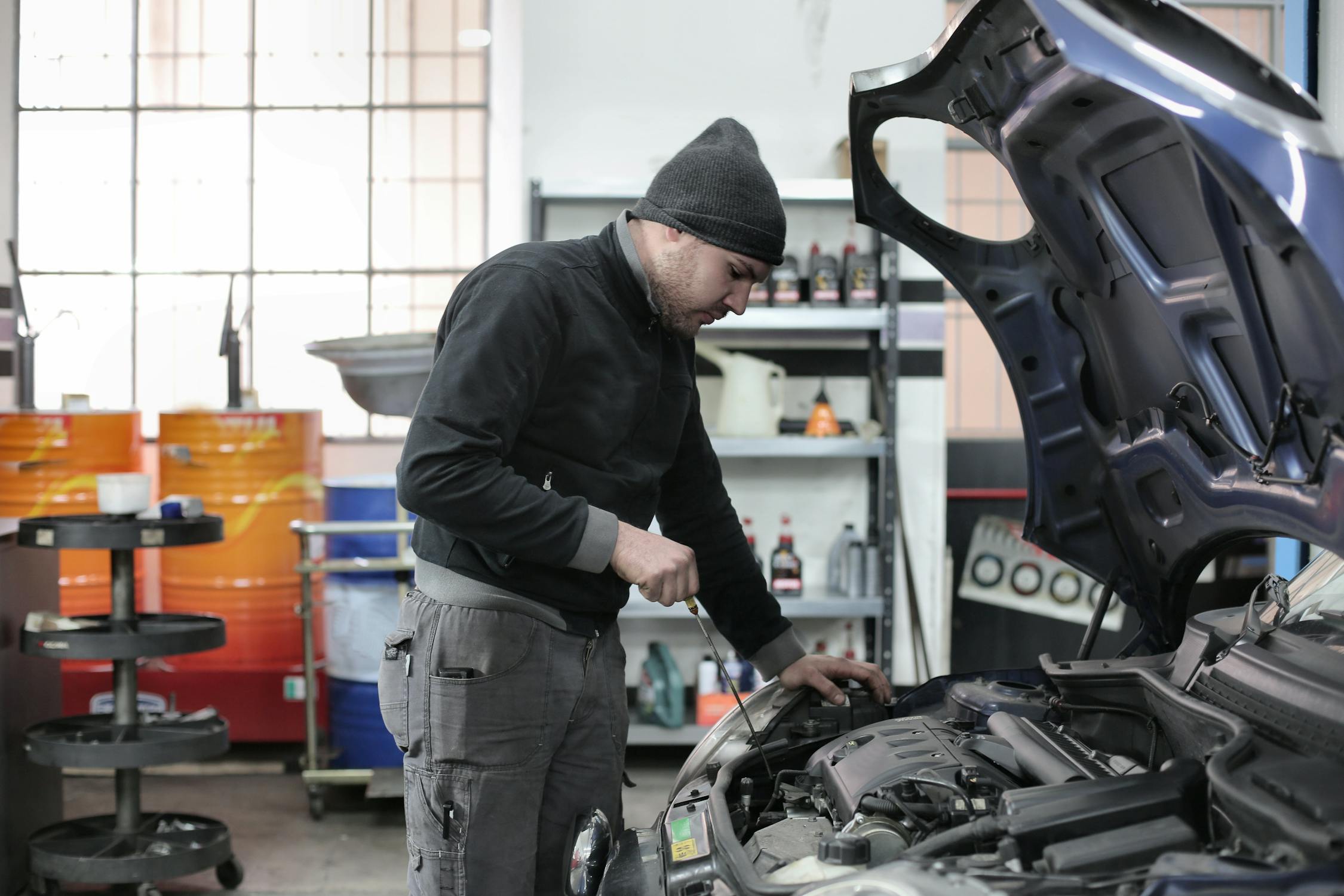
Photo by Andrea Piacquadio / Pexels
Your alternator is the electrical backbone of your vehicle. When it fails, nothing else works for long -- your battery drains, your engine stalls, your headlights go dark, and you are stranded. Alternator replacement is one of the most common auto repairs, and the cost depends on several factors specific to your vehicle and your situation.
This guide covers everything that affects what you will pay for alternator replacement in 2026: what makes the job more or less expensive, how to tell if it is actually the alternator or just the battery, whether a remanufactured alternator is worth considering, how long the job takes, and the 7 signs that yours is failing. By the end, you will know exactly the right questions to ask your mechanic and how to avoid overpaying.
What Affects Alternator Replacement Cost
Not all alternator replacements are equal. The final price depends on a combination of factors, and understanding each one helps you evaluate whether you are getting a fair deal.
Dealing with this issue in Sonoma County?
Our ASE and ATRA certified shop team diagnoses the real problem instead of guessing.
Serving the North Bay:
Your Vehicle Type Is the Biggest Factor
The single largest variable in alternator replacement cost is what you drive. A Honda Civic with the alternator sitting right on top of the engine is a fundamentally different job than a BMW X5 where the alternator is buried beneath the intake manifold. The vehicle determines both the part cost and how much labor is involved.
Compact and Economy Cars (Honda Civic, Toyota Corolla, Hyundai Elantra, Nissan Sentra)
- Alternator is typically easy to access at the top of the engine
- Parts are widely available and competitively priced
- Fewer components need to be removed to reach the alternator
- This is generally the most affordable alternator replacement
Mid-Size Sedans and Crossovers (Toyota Camry, Honda CR-V, Ford Escape, Subaru Outback)
- Moderate accessibility depending on engine layout
- Transversely-mounted engines can make access tighter
- Parts are common and well-stocked at most suppliers
- Mid-range pricing for both parts and labor
Full-Size Trucks and SUVs (Chevy Silverado, Ford F-150, Ram 1500, Toyota 4Runner)
- Larger, higher-output alternators to handle the electrical demands of trucks
- V8 engines typically have better alternator access than V6 trucks
- Four-wheel drive vehicles may require additional steps
- Higher parts cost reflects the heavy-duty alternator required
Luxury and European Vehicles (BMW, Mercedes-Benz, Audi, Volvo, Land Rover)
- Often require specialized tools or brand-specific procedures
- Alternator may be water-cooled (BMW, Mercedes) adding complexity
- OEM parts from European manufacturers are significantly more expensive
- Some designs require removing the front bumper, intake manifold, or other major components just to access the alternator
- Expect the highest overall cost in this category
Hybrid Vehicles (Toyota Prius, Honda Insight, Ford Escape Hybrid)
- Many hybrids do not have a traditional alternator -- they use the electric motor or a motor-generator unit instead
- If your hybrid does have a conventional alternator, replacement is typically similar to the non-hybrid version
- Motor-generator issues on hybrids require specialized hybrid-trained technicians and are a completely different type of repair
New vs Remanufactured Alternator
This is one of the most important decisions you will make during alternator replacement, and it directly affects what you pay. You have three main options:
New (OEM or Aftermarket)
- Brand new unit, never used before
- All components are fresh -- bearings, brushes, voltage regulator, diodes, stator, rotor
- Comes with a manufacturer warranty (typically 1-3 years)
- Highest upfront cost
- Best option for vehicles you plan to keep for many years
Remanufactured (Rebuilt)
- A used alternator that has been completely disassembled, inspected, and rebuilt to original specifications
- Worn components (bearings, brushes, voltage regulator, slip rings) are replaced with new ones
- Tested to meet or exceed OEM output specifications
- Can save 30-50% compared to a new alternator
- Quality remanufactured units from reputable suppliers (like Denso, Bosch, or WAI/Remy) perform as well as new and carry comparable warranties
- This is the option most independent shops recommend for the best value
Used (Junkyard)
- Pulled from a salvage vehicle with unknown history
- No rebuild, no testing to specifications, no quality control
- Cheapest upfront -- but you are installing a part that has already been used for an unknown number of miles
- No meaningful warranty in most cases
- We do not recommend this option. You are paying the same labor cost regardless of the part, so saving on a used alternator that could fail in six months makes no financial sense
The bottom line: For most vehicles, a quality remanufactured alternator from a reputable supplier is the sweet spot. You get 30-50% savings compared to new, with essentially the same performance and warranty protection. Ask your shop which brand of remanufactured unit they use -- this is the question that separates a good value from a gamble.
Where You Have the Work Done
The type of shop you choose significantly affects your total bill, primarily through labor rate differences.
Dealerships
- Highest labor rates in the industry
- Use OEM parts exclusively (which carry a brand premium)
- Technicians trained specifically on your vehicle brand
- Best for vehicles still under factory or extended warranty
- May have longer appointment wait times
Chain Shops (Pep Boys, Firestone, Meineke)
- Mid-range labor rates
- Parts quality varies -- ask specifically what brand of alternator they plan to install
- Technician experience varies widely between locations
- May advertise low prices that do not include related items (belt, tensioner) that should be addressed during the job
Independent ASE-Certified Shops
- Competitive labor rates -- typically lower than dealerships
- Can source the best part for your vehicle without being locked into a single brand
- Technicians often have decades of hands-on experience across multiple makes
- More likely to inspect related components (belt, tensioner, battery) and give you honest advice on what actually needs replacement
- Build long-term relationships -- their reputation depends on doing the job right
DIY Replacement
- On some vehicles, alternator replacement is a straightforward bolt-on job that a mechanically inclined person can handle in a driveway
- On many modern vehicles, it is not. Tight engine bays, complex belt routing, and electronic calibration requirements make this a job for professionals
- Even if you do the work yourself, you still need the part and proper tools
- Mistakes during DIY alternator replacement (improper belt tension, damaged wiring connectors, cross-threaded bolts) can cause more expensive problems down the road
Additional Work That May Be Needed
When your alternator is being replaced, a thorough shop will inspect the related components and may recommend additional work. Some of this is smart preventive maintenance -- and some of it is genuinely necessary:
Serpentine Belt
- The belt drives the alternator (and usually the power steering pump, water pump, and AC compressor)
- It must be removed to replace the alternator on most vehicles
- If the belt is more than 4-5 years old or shows cracking, glazing, or fraying, replacing it now avoids a second visit later
- Additional cost is minimal since the labor to remove it is already included in the alternator replacement
Belt Tensioner
- A spring-loaded component that keeps proper tension on the serpentine belt
- A weak tensioner causes belt slip, which reduces alternator output and can cause premature belt wear
- If the tensioner does not snap back firmly or makes noise, it should be replaced
- Like the belt, the labor overlap with alternator replacement makes this an efficient time to address it
Battery
- A failing alternator often drains or damages the battery
- If your battery has been repeatedly drained to zero, its capacity may be permanently reduced even after the alternator is replaced
- A good shop will test your battery after installing the new alternator and advise you honestly on whether it needs replacement
- Replacing a battery at the same time as the alternator avoids a separate service visit
Battery Cables and Terminals
- Corroded or damaged battery cables can cause symptoms that mimic alternator failure
- Your technician should inspect the cables and terminals during alternator replacement
- Cleaning corroded terminals is typically included in the service; replacing damaged cables is additional
Geographic Location
Labor rates vary by region. Major California metros like San Francisco, San Jose, and Los Angeles have the highest shop rates. Mid-size cities and suburban areas like Sonoma County are typically more moderate. Rural areas tend to have the lowest rates, though parts availability can sometimes add a delay.
What Does an Alternator Do?
Before spending money on replacement, it helps to understand what you are paying to fix. The alternator is your vehicle's electrical power plant. Here is what it actually does:
Generates electrical power while the engine is running. Your battery starts the engine, but the alternator takes over from there. Every electrical system in your vehicle -- headlights, dashboard instruments, fuel injection, ignition system, power windows, radio, air conditioning blower, heated seats, phone charger -- runs on power generated by the alternator.
Recharges the battery. After the battery spends its energy cranking the starter, the alternator replenishes that charge. A healthy alternator keeps the battery at full charge at all times while the engine is running.
Regulates voltage. The alternator includes a voltage regulator that keeps the electrical output at a steady 13.5-14.5 volts. Too low, and the battery does not charge. Too high, and you damage electrical components, light bulbs burn out prematurely, and the battery overcharges.
The alternator is a relatively simple device mechanically. It is driven by the serpentine belt connected to the engine crankshaft. Inside, a spinning rotor creates a magnetic field that induces electrical current in a set of stationary windings (the stator). That AC current is converted to DC by a set of diodes (the rectifier), regulated to the correct voltage, and sent to the vehicle's electrical system and battery.
When any of these internal components fail -- the bearings that support the rotor, the brushes that deliver current to the rotor, the diodes that convert AC to DC, or the voltage regulator -- the alternator can no longer do its job. Your vehicle starts running on battery power alone, and that battery has a limited reserve.
7 Signs Your Alternator Is Failing
Catching alternator failure early can save you money and prevent being stranded. Here are the seven most common warning signs, from earliest indicators to obvious emergencies. For a more in-depth look at diagnosing alternator problems specifically, see our complete alternator failure signs guide.
1. Dim or Flickering Headlights
This is often the first visible sign. Your headlights are one of the biggest electrical draws on the vehicle, and they are very sensitive to voltage changes. If your headlights dim at idle and brighten when you rev the engine, or if they flicker while driving, the alternator is likely not producing consistent voltage.
The dimming may be subtle at first. You might only notice it at night, or only when you are stopped at a traffic light with the AC and headlights both running. Pay attention to any change in headlight brightness -- especially brightness that varies with engine RPM. This pattern is the classic alternator signature.
Other lights may be affected too. Dashboard backlighting, interior dome lights, and instrument cluster gauges may appear dimmer than normal or fluctuate in brightness.
2. Battery Warning Light on the Dashboard
The battery-shaped warning light on your dashboard is actually a charging system warning light. It does not just mean the battery is bad -- it means the vehicle's computer has detected that the charging system is not maintaining proper voltage. In most cases, this light means the alternator is undercharging or overcharging.
Do not ignore this light. When it comes on, the vehicle is drawing power from the battery reserve instead of the alternator. You have a limited window before the battery is depleted. If the light comes on while driving, reduce electrical load (turn off AC, heated seats, radio, and anything nonessential) and drive to a repair shop or safe location as directly as possible.
On some vehicles, the charging system warning light may be an icon that says "ALT" or "GEN" instead of a battery shape. The meaning is the same.
3. Repeated Dead Battery
This is the scenario that tricks more car owners than any other alternator symptom. The car will not start. You jump it or charge the battery, it runs fine for a day or two, then the battery is dead again. You replace the battery. The new battery dies within a week.
If you are on your second battery in a short period, the alternator is the prime suspect. The battery is not the problem -- it is the victim. A failing alternator cannot recharge the battery while the engine runs, so the battery slowly drains to zero every time you drive. Replacing the battery without testing the charging system is throwing money away.
We see this regularly. A customer comes in after spending money on a new battery at an auto parts store, only to have it die within days. A quick charging system test would have identified the alternator as the real issue from the beginning.
4. Electrical Malfunctions and Strange Behavior
As the alternator loses the ability to maintain steady voltage, electrical systems throughout the vehicle start behaving erratically. Symptoms you might notice include:
- Power windows move slowly or hesitate when opening or closing
- Infotainment system resets itself, loses presets, or reboots randomly
- Heated seats or rear defroster do not warm up like they normally would
- Gauges behave erratically -- speedometer, tachometer, or fuel gauge readings bounce or are incorrect
- Automatic door locks activate on their own or fail to respond
- Dashboard warning lights flicker or illuminate intermittently for no apparent reason
Get an accurate repair quote — not an internet estimate.
Every vehicle is different. Call for transparent, honest pricing.
Serving the North Bay:
These symptoms can mimic a wide range of other electrical problems. The connecting thread is that multiple systems malfunction at the same time or in sequence, rather than a single component failing in isolation. When several electrical systems act up simultaneously, the power supply (alternator) is the most logical starting point for diagnosis.
5. Whining or Grinding Noise from the Engine
The alternator spins on bearings and is driven by the serpentine belt. When either of these components starts to fail, you will hear it.
Whining or buzzing that increases with engine RPM: This typically indicates worn alternator bearings. The sound comes from the front of the engine and gets louder and higher-pitched as you accelerate. In the early stages, you may only hear it when the engine is cold at startup. As the bearings deteriorate further, the noise becomes constant.
Squealing on startup or when turning the steering wheel: This may be the serpentine belt slipping on the alternator pulley. A worn or glazed belt, a weak belt tensioner, or a seized alternator pulley can all cause belt squeal. This sound is related to the alternator system even though the belt itself may be the component making the noise.
Grinding: A harsh grinding sound from the alternator area indicates severe bearing wear or internal component failure. At this stage, failure is imminent -- the alternator should be replaced before it locks up entirely, which can snap the serpentine belt and disable the power steering, water pump, and AC compressor along with the charging system.
6. Stalling or Difficulty Starting
A failing alternator can cause both stalling and hard-start conditions, though the mechanism is different for each.
Stalling while driving: Modern fuel-injected engines need electrical power to run. The fuel injectors, ignition coils, and engine computer all require electricity. When the alternator fails and the battery drains, the engine computer loses the power it needs to keep the engine running. The engine stalls -- sometimes without warning. This is dangerous because you simultaneously lose power steering and power brakes.
Difficulty starting: If the alternator has been undercharging for a while, the battery may not have enough reserve to crank the starter. You turn the key and hear slow cranking, a clicking sound, or nothing at all. This mimics a dead battery perfectly, which is why so many people replace the battery first without testing the charging system.
Important safety note: If your vehicle stalls while driving and you suspect the alternator, safely pull to the side of the road as quickly as possible. You will have very limited power braking (one or two applications of the brake pedal before the booster pressure is gone) and no power steering. Do not attempt to restart and continue driving -- have the vehicle towed.
7. Burning Smell from the Engine Compartment
An overworked or failing alternator generates excess heat. This heat can cause:
- A hot electrical smell (like burning wires or an overheated appliance) from the alternator itself as internal insulation breaks down
- A rubber burning smell from the serpentine belt if it is slipping on a seized or dragging alternator pulley
- A chemical smell from the battery if the alternator is overcharging, causing the battery to vent hydrogen sulfide gas (a rotten egg smell)
Any burning smell from the engine compartment warrants immediate attention. Pull over safely, turn off the engine, and let the vehicle cool before opening the hood. A burning belt or overcharging battery can escalate quickly.
Alternator vs Battery: How to Tell Which One Is Bad
This is the question we hear more than almost any other at our shop: is it the battery or the alternator? They produce identical symptoms in many cases -- the car will not start, the lights are dim, the battery keeps dying. Here is how to sort it out.
The Jump Start Test (Do This First)
This is the simplest way to narrow down the problem at home:
1. Jump start the vehicle using jumper cables or a portable jump pack
2. Once the engine is running, disconnect the jumper cables
3. Watch what happens over the next few minutes:
- If the car continues running normally with the cables disconnected, your battery was the likely culprit. It was too dead to start the car, but the alternator is keeping things running now that the engine is going. Monitor it over the next few days -- if it happens again, the alternator may not be fully recharging the battery.
- If the car dies shortly after disconnecting the cables (within seconds to a few minutes), the alternator is almost certainly the problem. The engine was running on battery power alone, and once the battery ran out, everything shut down.
- If the car dies immediately when you disconnect the cables, the alternator has completely failed. It is producing zero output.
Important caveat: On modern vehicles with sensitive electronics, disconnecting battery cables while the engine is running can potentially cause voltage spikes. A safer approach is to leave the cables connected, let the vehicle run for 10-15 minutes to partially recharge the battery, then disconnect cables and turn the vehicle off. Try restarting it a few hours later. If it starts fine, the battery was likely just deeply discharged. If it will not start again, the alternator did not recharge it.
The Headlight Test
With the engine running at idle, turn on the headlights and observe:
- Headlights are bright and steady: Alternator is working. If you had a no-start condition, the battery is the more likely issue.
- Headlights are dim at idle but brighten when you rev the engine: Alternator is weak -- it can produce adequate voltage at higher RPM but not at idle. This is often an early-stage alternator failure.
- Headlights are dim regardless of engine speed: Alternator has failed. The headlights are running on battery reserves only.
Professional Charging System Test (The Definitive Answer)
The only way to get a definitive diagnosis is a professional charging system test. This test measures:
- Battery voltage at rest (should be 12.4-12.7 volts for a healthy battery)
- Alternator output voltage with the engine running (should be 13.5-14.5 volts)
- Alternator output under load (with electrical accessories turned on, voltage should remain in the 13.5-14.5 range)
- Battery CCA (cold cranking amps) versus the rated capacity to determine if the battery can still hold a charge
- Ripple voltage (AC content in the DC output, which indicates diode failure inside the alternator)
This test takes about 15 minutes, requires a specialized tester, and gives a clear pass/fail reading for both the battery and the alternator. Many shops include a charging system test as part of their standard diagnostic procedure. If yours does not, request one before authorizing work -- it is the only way to be certain which component actually needs replacement.
For a deeper dive into the battery side of this equation, see our winter car battery replacement guide which covers battery testing, CCA ratings, and when replacement is necessary.
Alternator Replacement Cost by Vehicle Type
While we do not publish fixed prices (the final cost depends on your specific vehicle, the parts chosen, and whether related components need attention), here is how vehicle type generally affects the overall cost:
Compact and Economy Cars
These are typically the most affordable alternator replacements. The alternator on most compact cars is located near the top of the engine with good access. The serpentine belt can usually be removed and the alternator unbolted with basic tools. Parts for common models like the Honda Civic, Toyota Corolla, Hyundai Elantra, and Nissan Sentra are inexpensive and readily available.
What makes these less expensive:
- Easy access means less labor time
- High parts availability keeps component costs competitive
- Lower electrical output requirements mean a simpler, less expensive alternator
- Fewer related components to work around
Mid-Size Sedans and Crossovers
Vehicles like the Toyota Camry, Honda Accord, Subaru Outback, Honda CR-V, and Ford Escape fall in the middle of the cost range. Accessibility varies -- some have the alternator easily reachable, while others (especially transverse V6 models) require more disassembly.
What affects cost in this category:
- Engine layout (inline 4-cylinder is typically easier to access than V6)
- Front-wheel drive vehicles with transverse engines may have the alternator in a tighter location
- Parts are common and well-stocked
- Moderate electrical output demands
Full-Size Trucks and SUVs
The Chevy Silverado, Ford F-150, Ram 1500, GMC Sierra, Toyota Tundra, and similar trucks use larger, higher-output alternators to support heavy electrical loads (trailer wiring, additional lighting, larger starter motors). These alternators cost more because they are physically larger and produce more power.
What affects cost in this category:
- Larger, higher-output alternator unit
- V8 engines typically have better alternator access than V6 truck engines
- Four-wheel drive models may have additional components in the way (transfer case, front driveshaft)
- Diesel trucks often have even higher-output alternators, adding to parts cost
- Heavy-duty electrical packages (tow packages, upfitter switches) may increase the alternator specification
Luxury and European Vehicles
BMW, Mercedes-Benz, Audi, Volvo, and Land Rover alternator replacements are consistently the most expensive category. This is driven by a combination of higher parts costs, more complex access, and brand-specific engineering choices.
What drives higher costs for European vehicles:
- Water-cooled alternators (common on BMW and Mercedes) that are integrated into the cooling system
- Alternator locations that require removing the front bumper, intake manifold, or other major components
- Proprietary electrical management systems that may require software coding after replacement
- OEM parts from European suppliers are significantly more expensive than domestic or Japanese equivalents
- Some models require dealership-level diagnostic equipment for post-replacement calibration
How Long Does Alternator Replacement Take?
Most alternator replacements take between 1 and 3 hours. Here is what the job involves and what affects the timeline:
The Standard Procedure
1. Disconnect the battery to prevent electrical shorts during the work (5 minutes)
2. Remove the serpentine belt by releasing the belt tensioner (5-15 minutes)
3. Disconnect electrical connections from the alternator -- typically a main output cable and a wiring harness connector (5-10 minutes)
4. Remove mounting bolts and extract the alternator from the engine bay (10-30 minutes depending on access)
5. Install the new or remanufactured alternator and torque mounting bolts to specification (10-20 minutes)
6. Reconnect electrical connections (5-10 minutes)
7. Reinstall the serpentine belt and verify proper routing and tension (5-15 minutes)
8. Reconnect the battery, start the engine, and test alternator output with a voltmeter (10-15 minutes)
9. Test drive to verify proper operation under real driving conditions (10-15 minutes)
What Makes the Job Take Longer
- Buried alternator location: Some vehicles (certain Subaru models, many European cars, some V6 minivans) have the alternator located at the bottom of the engine behind other components. Accessing it may require removing the wheel and inner fender liner, the intake manifold, or other components -- adding 1-2 hours to the job.
- Seized or corroded bolts: On older vehicles or those exposed to salt and moisture, mounting bolts can seize. Extracting seized bolts without breaking them takes time and skill.
- Additional work: If the serpentine belt, tensioner, or battery are also being replaced during the visit, each adds some time to the total job.
- Electrical diagnosis before replacement: If the root cause is not immediately obvious, the technician may spend 30-60 minutes testing the charging system, battery, wiring, and fuse circuits before confirming the alternator is the problem.
Bottom line: Plan for a same-day repair in most cases. Drop off in the morning, pick up in the afternoon. More complex vehicles may need a full day.
Can You Drive With a Bad Alternator?
Briefly -- but the clock is ticking. Once the alternator stops charging, your vehicle runs entirely on battery reserve. How far you can drive depends on the battery's state of charge and how much electrical load you are drawing.
How Far You Can Realistically Go
With a fully charged battery and minimal electrical load (no headlights, no AC, no heated seats, no radio), you might get 30-60 minutes of driving before the engine stalls. With headlights on (driving at night), that window shrinks to 15-30 minutes. If the battery was already partially discharged, you might have even less.
What Happens When the Battery Runs Out
Get an accurate repair quote — not an internet estimate.
Every vehicle is different. Call for transparent, honest pricing.
Serving the North Bay:
The engine stalls. On modern fuel-injected vehicles, the engine computer, fuel injectors, and ignition system all require electrical power. When the battery voltage drops below the minimum threshold, these systems stop functioning and the engine dies.
But it is worse than just stalling:
- Power steering stops working. The steering wheel becomes extremely heavy to turn.
- Power brakes lose assist. You get one or two applications of the brake pedal with residual vacuum in the booster, then the pedal becomes very hard to press.
- Headlights, turn signals, and hazard lights go dark. You become invisible to other drivers.
- Electric power windows will not roll down. You cannot signal for help easily.
The Safe Approach
If your battery warning light comes on or you suspect the alternator has failed:
1. Reduce electrical load immediately. Turn off the AC, radio, heated seats, rear defroster, and anything else nonessential. Leave the headlights on if it is dark -- safety first.
2. Drive directly to the nearest repair shop or safe location. Do not make stops, do not continue to your destination if it is far away.
3. Avoid turning the engine off. Once you turn it off, you may not be able to restart it if the battery has drained.
4. If the engine stalls, pull over safely immediately. Turn on hazard lights (if they still work), apply the brake firmly, steer to the shoulder, and call for a tow.
Do not attempt highway driving with a dead alternator. Stalling at 65 mph with no power steering and diminishing brakes is extremely dangerous.
Factors That Affect Alternator Lifespan
Understanding what shortens alternator life can help you avoid premature failure.
Driving Habits
- Frequent short trips are harder on alternators than highway driving. Every time you start the engine, the alternator has to recharge the battery from the energy spent cranking the starter. Frequent starts without sufficient driving time to fully recharge the battery means the alternator works harder overall.
- Stop-and-go traffic keeps the alternator producing high output to maintain battery charge and run all electrical accessories at low engine RPM, where the alternator is least efficient.
- Highway driving is the easiest on the alternator. The engine runs at consistent RPM, the alternator operates in its efficient range, and the battery stays fully charged.
Environmental Factors
- Engine heat is the number one enemy of alternator longevity. The alternator sits in the engine compartment, exposed to extreme heat from the engine and exhaust. Over time, this heat degrades the insulation on the internal windings and weakens the voltage regulator.
- Fluid contamination from oil leaks, power steering leaks, or coolant leaks can damage the alternator's internal components. If you have an engine leak near the alternator, get it fixed -- the repair cost is small compared to replacing an alternator killed by fluid damage.
- Moisture and road debris can work their way into the alternator housing over time, especially on vehicles without adequate shielding.
Electrical Load
- Aftermarket accessories like high-powered audio systems, additional lighting (light bars, off-road lights), winches, and auxiliary power inverters all increase the electrical demand on the alternator. If the total electrical draw regularly exceeds the alternator's rated output, the alternator runs at maximum capacity constantly -- dramatically shortening its life.
- If you have added significant electrical accessories to your vehicle, consider upgrading to a higher-output alternator designed for the increased load. This is especially common with trucks used for work purposes.
Maintenance Connection
- A worn serpentine belt or weak belt tensioner can cause the alternator to work harder than necessary. Belt slip reduces the effective RPM delivered to the alternator, meaning it has to work harder to maintain output. Replace the belt and tensioner on schedule.
- Corroded battery terminals create resistance in the charging circuit, forcing the alternator to produce higher output to compensate. Clean battery terminals regularly.
How RPT Diagnoses Alternator and Charging System Problems
Proper diagnosis saves money. Replacing an alternator that is not actually the problem wastes money and does not fix the car. Here is how we approach it at Rohnert Park Transmission and Auto Repair.
Step 1: Listen to Your Description
We start by asking you what is happening. When did the problem start? Is it consistent or intermittent? Have you replaced the battery recently? Has the car been jump-started? Have you noticed any warning lights? Your description often points us in the right direction before we open the hood.
Step 2: Visual Inspection
We inspect the serpentine belt for wear, cracking, and proper tension. We check the battery terminals for corrosion. We look for fluid leaks near the alternator. We check for obvious damage to wiring and connectors. This quick visual inspection can sometimes identify the problem immediately.
Step 3: Charging System Test
Using a professional-grade battery and charging system tester, we measure battery condition (voltage, CCA, internal resistance), alternator output at idle and at 2,000 RPM, alternator output under electrical load, and AC ripple voltage to check for diode failure. This test gives us a definitive pass/fail result for both the battery and the alternator.
Step 4: Targeted Diagnosis (If Needed)
If the charging system test indicates a problem but the cause is not immediately clear, we go deeper. We test individual circuits, check for voltage drop across connections, inspect the alternator fuse circuit, and verify the PCM (engine computer) is properly commanding alternator output. On modern vehicles, the alternator output is computer-controlled, so a software or sensor issue can sometimes mimic alternator failure.
Step 5: Clear Explanation and Written Estimate
We explain what we found in plain language, tell you exactly what needs to be replaced and why, and give you a written estimate before starting any work. No surprises.
For a comprehensive look at all types of car electrical problems and how they are diagnosed, see our common car electrical problems guide.
Questions to Ask Your Shop Before Authorizing Alternator Replacement
Whether you come to us or go somewhere else, these are the questions that protect you from overpaying or getting unnecessary work:
1. "Did you test the charging system, or are you diagnosing based on symptoms alone?"
A proper charging system test is the only way to confirm the alternator is actually the problem. Symptom-based diagnosis without testing can lead to replacing the wrong component.
2. "Are you installing a new or remanufactured alternator? What brand?"
Both can work well, but you should know what is going on your vehicle. A quality remanufactured unit from Denso or Bosch is a very different product from a no-name unit of unknown origin.
3. "What is included in the estimate?"
Make sure the quote includes the alternator, labor, serpentine belt inspection, battery test, and any additional parts. Ask specifically if the belt and tensioner are included or extra.
4. "What is the warranty on parts and labor?"
A reputable shop stands behind the alternator they install. Ask how long the warranty is and what it covers. Get it in writing.
5. "Do I also need a battery?"
If the old alternator drained or damaged the battery, you may need both. Ask the shop to test the battery and show you the results rather than just recommending replacement. A battery that tests good should not be replaced.
6. "How long will the job take?"
For most vehicles, alternator replacement is a same-day job. If the shop quotes multiple days for a straightforward alternator replacement, ask why.
Common Mistakes That Cost You Money
Over the years, we have seen these mistakes over and over. Avoid them and you will save money and headaches:
Replacing the Battery Without Testing the Alternator
This is the most common and most expensive mistake. The symptoms are identical -- dead battery, car will not start, dim lights. The instinct is to buy a new battery. The battery is easy to find at any auto parts store, and anyone can install it. But if the alternator is the actual problem, that new battery will be dead within a few days. Now you have paid for a battery you did not need and you still need the alternator replacement.
Always test the charging system before replacing the battery. A 15-minute test can save you hundreds of dollars.
Choosing the Cheapest Part Available
The labor cost to replace an alternator is the same regardless of the part quality. If the labor is going to cost a certain amount regardless, saving a small amount on a cheap alternator that might fail in a year is false economy. You will pay the full labor cost again for the second replacement.
Choose at minimum a quality remanufactured alternator from a reputable supplier with a real warranty.
Ignoring the Warning Signs
A failing alternator rarely fails all at once. It gives you warnings -- dim lights, slow accessories, occasional warning light, slight whine from the engine. Ignoring these warnings and driving until the alternator dies completely means you get stranded. That often means a tow truck, emergency repair pricing, and the stress and safety risk of a roadside breakdown.
Address alternator symptoms early. A planned repair at your convenience is always cheaper and safer than an emergency repair on the side of the highway.
Skipping the Belt and Tensioner
When the alternator is being replaced and the belt is already removed, inspect the belt and tensioner. If they are worn, replace them now. The additional parts cost is minimal compared to a second shop visit later. A worn belt or weak tensioner can cause the new alternator to underperform, which can lead to repeat battery drain issues that waste your time chasing the wrong problem.
Frequently Asked Questions
How much does it cost to replace an alternator?
Alternator replacement cost varies based on your vehicle type, whether you choose a new or remanufactured unit, and where you have the work done. Compact cars with easy-access alternators cost less than trucks or luxury vehicles where the alternator is harder to reach. The best way to get an accurate estimate is to have a qualified technician diagnose the problem and provide a written quote for your specific vehicle.
How do I know if it is my alternator or my battery?
The easiest home test is a jump start. If the car runs fine after a jump but dies again shortly after or if the battery warning light stays on while driving, the alternator is likely the issue. If the car starts fine after a jump and continues running normally for several days, the battery was the problem. A professional charging system test provides a definitive answer in about 15 minutes and should always be done before authorizing replacement of either component.
Is a remanufactured alternator as good as new?
A quality remanufactured alternator from a reputable supplier can perform as well as new and typically comes with a comparable warranty. The unit is completely disassembled, worn components are replaced, and it is tested to original specifications before being sold. The savings can be 30-50% compared to new. The key is the supplier -- ask your shop what brand they use and what warranty comes with it.
Can you drive with a bad alternator?
Technically yes, but only until your battery runs out of charge -- which could be as little as 20-30 minutes depending on your electrical load. After that, the engine stalls and you lose power steering, power brakes, and all lights. This is dangerous, especially at night or in traffic. If your alternator fails, drive directly to the nearest repair shop or safe location. Do not make any unnecessary trips.
How long does alternator replacement take?
Most alternator replacements take 1 to 3 hours. Vehicles where the alternator is easily accessible at the top of the engine can be done in about an hour. Vehicles where it is buried behind other components may take 2-3 hours. Most shops complete the job the same day.
How long does an alternator last?
Most alternators last 80,000 to 150,000 miles under normal conditions. Factors that shorten lifespan include frequent short trips, extreme engine heat, fluid leaks that contaminate the alternator, aftermarket electrical accessories that increase the load, and a worn serpentine belt that causes the alternator to work harder than designed.
What causes an alternator to fail?
The most common causes are normal wear of internal bearings and brushes, heat damage from the engine compartment, fluid contamination, excessive electrical load, and a failing serpentine belt or tensioner. Age and mileage are the biggest factors -- the alternator simply wears out over time like any other mechanical component with moving parts.
Does a new alternator come with a warranty?
Most new alternators carry a 1 to 3 year manufacturer warranty. Quality remanufactured alternators typically carry similar warranties, often with lifetime options available. Always ask about the warranty before authorizing work and get the terms in writing. A reputable shop will stand behind both the part and the installation.
Will a bad alternator drain a new battery?
Yes. A bad alternator will drain even a brand new battery within a few driving cycles because it is not replenishing the charge that the starter and electrical systems use. This is one of the most common scenarios we see -- a customer replaces the battery without testing the alternator, and the new battery dies within days. Always test the charging system first.
Should I replace the serpentine belt when replacing the alternator?
If the belt shows any signs of wear -- cracking, glazing, fraying, or is more than 4-5 years old -- yes. The belt has to come off to replace the alternator anyway, so the additional labor cost is minimal. A worn belt can slip on the new alternator's pulley, reducing charging efficiency and potentially causing premature failure.
When to Get Your Alternator Checked
If you are experiencing any of these symptoms -- dim or flickering headlights, a battery warning light, repeated dead batteries, electrical malfunctions, unusual noises from the engine, stalling, or burning smells -- have your charging system tested by a qualified technician. The test is quick, and it tells you definitively whether the alternator, battery, or both need attention.
Catching a failing alternator before it dies completely avoids the inconvenience and safety risk of a roadside breakdown. A planned repair is always less expensive and less stressful than an emergency one.
At Rohnert Park Transmission and Auto Repair, our ASE-certified technicians diagnose and replace alternators for all makes and models. We test the complete charging system, explain what we find in plain language, and give you a written estimate before we start any work. No surprises, no unnecessary repairs, no pressure.
Call us at (707) 584-7727 or schedule an appointment online to have your charging system tested. Same-day service is available for most alternator replacements.
*This guide reflects real-world experience diagnosing and replacing alternators on vehicles of all makes and models. Every vehicle is different, and your actual repair cost will depend on the specific factors described in this article. The best way to get an accurate number is a professional diagnosis and written estimate from a qualified shop.*
Tags:
Written by
Fernando Gomez
Owner, Rohnert Park Transmission & Auto Repair
Fernando brings over 28 years of automotive repair experience to every diagnosis and repair. As the owner of Rohnert Park Transmission & Auto Repair, he leads a team of ASE-certified, ATRA-member technicians specializing in transmission diagnostics, complex drivability issues, and preventive maintenance — with a focus on getting it right the first time.
Need Professional Auto Service?
Trust your vehicle to Rohnert Park's transmission and auto repair experts. We offer comprehensive diagnostics and repairs with a commitment to quality and transparency.
Related Articles
Alternator Failure Signs: Complete Guide
Learn the 8 warning signs of alternator failure and how to test at home before visiting a mechanic.
Common Car Electrical Problems: Diagnosis Guide
Expert guide to diagnosing car electrical problems including battery, alternator, starter, and wiring issues.
Winter Car Battery Replacement: Complete Guide
Everything you need to know about car battery replacement including CCA ratings and cold weather performance.
Auto Electrical Repair Services
Full-service auto electrical diagnostics and repair from ASE certified technicians in Rohnert Park.